






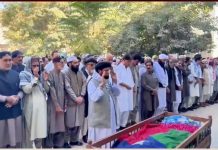

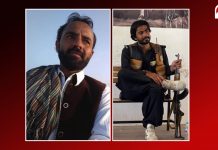
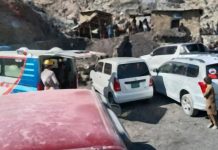


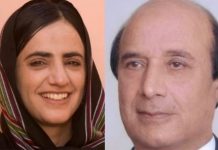

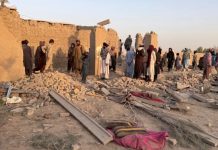






On the afternoon of 8 July, a major attack targeting the residence of Shafiq Mengal in Khuzdar, the largest district in Balochistan, involved a car bomb explosion followed by hours of armed fighting. The attack was claimed by the Baloch Liberation Army, which said the operation had been carried out by its suicide unit, the Majeed Brigade. According to the group, this was the second Majeed Brigade attack targeting Shafiq Mengal since 2011. The first took place on 30 December 2011, when his residence on Arbab Karam Khan Road in Quetta was targeted in what the BLA described as its first suicide attack.
Shafiq Mengal is a resident of Khuzdar and the son of a former federal minister and former caretaker Chief Minister of Balochistan. For many years, his name has remained one of the most controversial in the region. Baloch nationalist parties, families of missing persons and human rights organisations have repeatedly accused him of patronising armed militias commonly referred to as “death squads”, as well as involvement in enforced disappearances, torture and the killing of political activists.
His name has also surfaced in connection with a number of controversial incidents, including the mass graves discovered in Tutak, the suicide bombing at the Shah Noorani shrine, an attack on a rally organised by the BSO-Azad, a grenade attack on a cultural programme at the University of Khuzdar, attacks on Levies personnel in Wadh and their subsequent killings, as well as alleged links to internationally designated extremist militant organisations.
Despite these controversies, the Pakistan Peoples Party recently nominated him as its candidate for a vacant seat in Khuzdar. For many observers, awarding a party ticket to such a figure is not merely a political decision but also sends a broader message to the people of Balochistan that their concerns, sentiments and political sensitivities are of limited significance. Decisions of this nature are often viewed not only through the lens of electoral strategy but also in the wider context of trust and relations between the state, political parties and the public.
Within many Baloch circles, Shafiq Mengal remains associated with serious allegations and controversies, particularly those relating to claims of Baloch genocide and his alleged connection to the Tutak mass graves case. As a result, he continues to face strong opposition from sections of Baloch society. For many, figures such as Mengal are not simply individuals but symbols of a broader historical and social context in which issues of human rights, identity, justice and dignity remain central concerns.
This explains why considerable resentment exists towards controversial figures such as Shafiq Mengal, with some viewing their continued prominence as a threat to stability in Balochistan. In the eyes of many critics, no political or social figure can sustain long-term legitimacy without genuine public support.
The BLA has previously referred to Shafiq Mengal as a “supreme traitor”, reflecting the extent to which he remains a prominent target for the group. Given this context, there remains the possibility that he could face further large-scale or coordinated attacks in the future.