










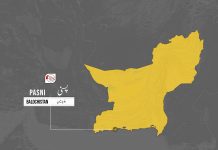



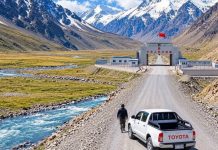



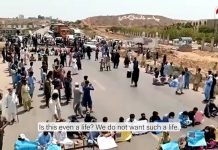





Jiwani remained cut off by road from Gwadar and other parts of Balochistan for an eighth consecutive day on Saturday, disrupting supplies of food, water, medicines and other basic necessities to the coastal town, local residents said.
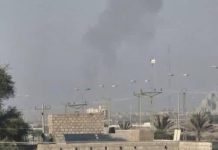
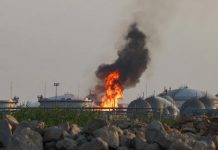
The restrictions were imposed after the July 3 attack by the Baloch Liberation Army’s Majeed Brigade on a Pakistan Coast Guards camp in Panwan, Jiwani.
Residents said patients were facing difficulties travelling to other cities for medical treatment, while families dependent on daily livelihoods had also been affected.
They said more than 50 young men had been forcibly disappeared from Panwan and nearby areas since the attack. Some residents said elderly people had also been detained.
Residents added that the restrictions amounted to “collective punishment” and that the actions of a few individuals could not be used to deprive an entire town of movement, livelihood, food and medical care.
They called on the government, human rights organisations, elected representatives and relevant authorities to restore civilian movement, ensure supplies of food and medicine, and provide information about those taken into custody.
Separately, the National Party said the closure of all entry and exit routes in Jiwani had placed ordinary citizens in severe difficulty.
In a statement, the party said the government was responsible for maintaining law and order, but measures that subjected civilians to collective punishment were unacceptable.
The party said the closure had caused severe food shortages in Jiwani and nearby areas, while the water supply had also been suspended.
It said patients, elderly people, women, children, labourers, students and daily wage earners were facing serious hardship.
“Such measures create anxiety and unrest among the public and cannot be a solution to any problem,” the statement said.
The National Party called on the Balochistan government, the district administration and relevant institutions to reopen all routes immediately, restore the supply of water, food and other necessities, and ensure that measures to maintain law and order did not violate the fundamental rights of ordinary civilians.