






Baloch Students Organization-Azad said on Saturday that the killing of forcibly disappeared Baloch persons in what it described as “fake encounters” reflected the Pakistani state’s “hatred and inhuman mindset” towards the Baloch nation, as the group announced a week-long social media campaign against alleged extrajudicial killings and other abuses in Balochistan.
In a statement, BSO-Azad central spokesperson Sholan Baloch said the Baloch national movement was becoming more organised despite enforced disappearances, custodial killings, collective punishment and other forms of repression.
He said public participation in and support for the movement had continued to grow because of the sacrifices of “martyrs”, the courage of prisoners held in torture cells and resistance against oppression.
The spokesperson said the Pakistani state was attempting to weaken the movement through propaganda, intimidation and violence after failing to stop growing public support for it.
BSO-Azad said enforced disappearances of political workers, the dumping of mutilated bodies, harassment of families and demolition of homes had become part of what it described as state tactics in Balochistan.
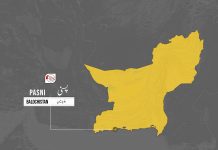
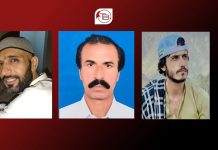
It cited the recent recovery of five bodies in Panwan, in the Jiwani area of Gwadar, saying the men had been forcibly disappeared and later killed in what it described as a fake encounter. One of them was a schoolteacher, the group said.
The group also said bodies of forcibly disappeared persons had been recovered in recent months from Panjgur, Kech, Gwadar, Quetta, Sibi and Khuzdar.
“By killing forcibly disappeared persons in fake encounters, the occupying state is expressing its hatred toward the Baloch nation,” the statement said.
BSO-Azad accused Pakistan of carrying out the “genocide of the Baloch people in an extremely deceitful and organised manner”.
The group said its week-long social media campaign would highlight “atrocities, extrajudicial killings and fake encounters” in Balochistan through documentary evidence, data and reports.
It called on Baloch political organisations, human rights activists and social media users to take part in the campaign and “become the voice of occupied Balochistan”.