



















Baloch fighters blocked sections of the N-25 highway in Khuzdar district, carried out snap checking, detained a Frontier Corps personnel and attacked a Frontier Works Organisation site, sources said.
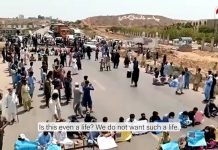
According to sources, a large number of fighters took control of the main highway in the Ornach area of Khuzdar, a key route linking Balochistan with Sindh, and began checking vehicles.
Sources told The Balochistan Post that the fighters stopped a passenger bus during the search and detained a man after identifying him as a Frontier Corps personnel.
They said another person was also taken away during the operation. His identity and background were not immediately known.
The detention in Ornach came amid a series of highway blockades and snap-checking operations in Balochistan, where armed groups have stopped vehicles on main routes and identified personnel linked to Pakistani security institutions.
On Friday, the Baloch Liberation Army said it had taken custody of Wasim Ahmed, deputy director and commanding officer of the Airport Security Force, after identifying him during snap checking on the main highway in Kalat.
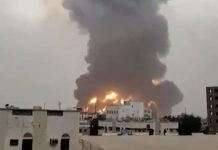
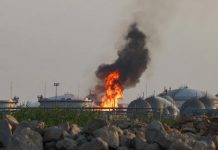
In a separate incident in Sonaro, Wadh, fighters set up another blockade on the N-25 highway and attacked a site belonging to the Frontier Works Organisation, a military-run construction company.
Sources said several vehicles parked at the site, along with the company’s crush plant, were set on fire.
The blockade on the N-25 came days after the BLA declared “complete control” over the N-40 Quetta-Taftan highway, warning that trucks, trailers and convoys carrying what it called “looted Baloch resources and minerals” would no longer be allowed to pass through the route.
In that statement, the group said the route fell within what it called the region under its control and warned companies, contractors and transporters involved in mineral extraction that they would be responsible for their own “life and financial losses” if they continued using the highway.
The group said Balochistan’s resources belonged “solely and exclusively to the Baloch nation”, describing their protection from what it called “state-sponsored plunder” as a “collective and primary national duty”.