




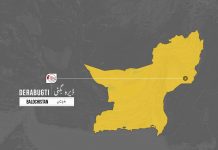








The Balochistan Liberation Front (BLF) said on Friday that fighters from its newly formed female armed unit blocked a highway in Balochistan’s Kalat district and attacked Pakistani military convoys sent to the area, claiming several soldiers were killed or wounded.
BLF spokesperson Major Gwahram Baloch said members of the Karima Armed Assault Division (KAAD) patrolled Manguchar city on September 25 and set up a blockade on the main highway, where they carried out snap checks.
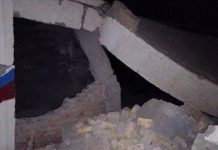
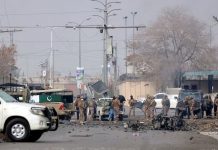
He said military convoys travelling from Kalat and Mastung to reinforce forces in Manguchar were attacked during the blockade. The group claimed three military vehicles, including an armoured vehicle, were destroyed or disabled.
Gwahram Baloch said fighting was continuing and that the BLF would release further details on casualties and material losses.
There was no immediate confirmation from Pakistani authorities of the fighting or the casualties and damage claimed by the group.
The operation is the second attack the BLF has attributed to KAAD since announcing the female unit earlier this week. The group said KAAD carried out its first operation near Turbat on Tuesday, attacking a Pakistani military convoy on the CPEC highway.
The BLF later released footage showing members of the unit undergoing weapons and combat training.
In a subsequent statement outlining KAAD’s role, the group said women in the unit would take part in combat, intelligence, communications, medical support and logistics, describing its formation as the organised entry of women into the BLF’s military ranks.
The BLF said KAAD would operate against Pakistani military forces and infrastructure while also challenging what it described as patriarchal structures, class exploitation and regressive traditions within Baloch society.
The unit is named after Karima Baloch, a former chairperson of the Baloch Students Organisation-Azad.
The BLF described KAAD’s formation as a tribute to what it called her “great, unparalleled and historic struggle” and said she had played a foundational role in expanding women’s participation in the Baloch movement.