




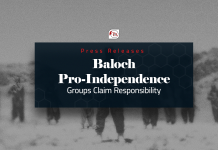

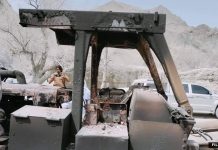
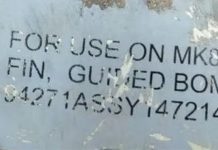
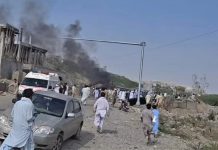
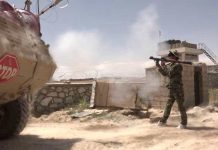

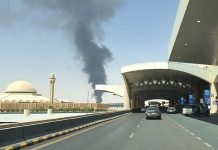



On 22 September 2026, reports emerged of an attack on a Pakistani military convoy in Turbat, after which the Balochistan Liberation Front (BLF) claimed responsibility for the operation and announced the formation of a new female armed unit named the Karima Armed Assault Division (KAAD). An important aspect of this development is that the BLF not only claimed responsibility for an attack but also introduced a new organisational branch alongside it. Baloch women have already been present in various forms within the Baloch armed movement; however, this marks a new development because, for the first time, a formal, separate and specifically named armed structure for women has emerged within an armed organisation.
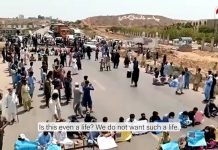
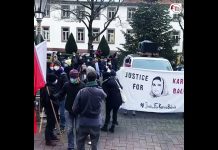
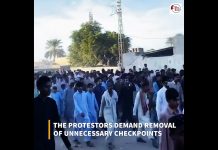
Limiting the presence of women in Baloch politics solely to the history of armed organisations would also present an incomplete picture. For a long time, women in Balochistan have played a role in protest movements and social campaigns concerning missing persons, enforced disappearances, extrajudicial killings and political rights. The most notable turning point regarding the presence of women in the Baloch armed movement emerged in April 2022, when Shari Baloch carried out a self-sacrificial attack near the Confucius Institute at the University of Karachi, targeting Confucius Institute personnel. The incident was significant because, prior to that, the military image of the Baloch armed movement had been primarily associated with male fighters. Shari Baloch challenged that perception.
The real significance of women’s participation in the armed movement may not lie in the number of women taking up arms, but rather in the question of how far the boundaries of women’s political role within Baloch society are changing. This transformation is not confined to the armed movement alone. Its effects may extend to political movements, the younger generation, state policy and broader social attitudes.
The presence of women in the Baloch armed movement has challenged the notion that armed action within the movement is primarily limited to men. The changing political status of women in Balochistan is not merely the story of a new organisational announcement or a few prominent incidents; rather, it is linked to a broader social transformation. The issue of Balochistan is no longer confined solely to a military confrontation between the state and armed organisations. It has also brought to the forefront questions of political identity, the younger generation and collective consciousness within society. The participation of women in the armed movement forms part of this chapter.