











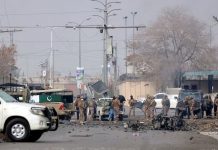














While an overall decline in violence was recorded across Pakistan during the first quarter of 2026, the situation in Balochistan has become increasingly alarming, with a sharp surge in fatalities.
According to a report by the Centre for Research and Security Studies (CRSS), incidents of violence in Balochistan rose by 104%, with the number of deaths increasing from 217 to 443, marking the highest level recorded in the past 13 years.
The report identified Balochistan and Khyber Pakhtunkhwa as the primary centres of violence during the period. However, while Khyber Pakhtunkhwa witnessed a notable decline in fatalities, Balochistan experienced a sustained escalation.
Data further showed that 55% of all fatalities countrywide occurred in Balochistan alone, underscoring the severity of the security situation in the region.
The report noted a shift in militant tactics, including increased use of advanced weaponry, explosive devices, and drone technology, making attacks more lethal.
It also attributed the rise in violence to heightened activity by groups such as the Tehrik-i-Taliban Pakistan (TTP) and Baloch “pro-independence’ armed organisations.
Despite a broader reduction in violence in other parts of the country, the deteriorating security conditions in Balochistan continue to offset these gains, signalling a concerning trend for the future.
The report comes amid recent high-profile incidents, including last year’s Jaffar Express hijacking and the recent “Operation Herof II” claimed by the Baloch Liberation Army. Security forces have also faced a new series of coordinated attacks in the region.
Incidents targeting Pakistani military personnel and state infrastructure were reported again this week, with continued clashes resulting in casualties and material losses.