





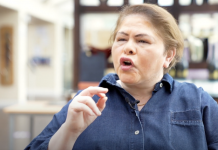
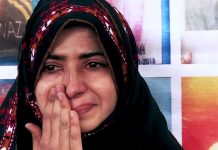
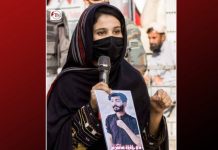






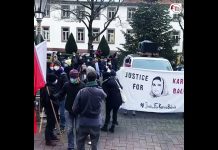




A court in Quetta has sentenced Baloch rights activist Gulzadi Baloch to life imprisonment in a murder case, her lawyers said, alleging that the verdict was issued without recording her statement or allowing the defence to make final arguments.
Ms. Baloch, a member of the Baloch Yakjehti Committee (BYC), was convicted by Additional Sessions Judge-I Syed Qadir Shah Bukhari in a case registered at Mach police station in October 2022.
Her lawyers said she was “not the principal accused” and had no role in the killing.
Advocate Israr Baloch said neither Gulzadi nor her legal team was present when the sentence was handed down on Monday. When the lawyers reached the court, he said, the judge was absent and the court reader handed them the order.
The defence said Gulzadi’s statement under Section 342 of Pakistan’s Code of Criminal Procedure had not been recorded and that lawyers had not been allowed to present final arguments before the verdict.
They said they would challenge the sentence.
The ruling comes less than two weeks after the BYC accused the same court of denying Gulzadi the right to a defence and alleged that the judge had repeatedly spoken of pressure over the case.
“On multiple occasions, the judge has stated that he is under pressure and may have to award life imprisonment or even a death sentence,” the BYC said in a statement on Sept. 10.
The organisation also said a witness was cross-examined on Sept. 7 despite the absence of Gulzadi’s defence lawyer.
Read More: BYC Alleges Judicial Bias, Denial of Defence Rights in Gulzadi Baloch Case
Gulzadi is the third prominent BYC leader to receive a life sentence in recent months.
In June, an anti-terrorism court sentenced BYC chief organiser Dr Mahrang Baloch and central leader Sibghatullah Shahji to life imprisonment over the death of a Frontier Corps soldier during a 2024 protest in Gwadar. Their legal team boycotted the proceedings, describing the process as a “faceless trial”.
The BYC later appealed those convictions, calling the verdict “unjust” and saying the sentences had been imposed “without any evidence”.
Balochistan government officials defended the June convictions at the time, saying the defendants had received a fair trial and that the verdict was based on witness and medical evidence.