






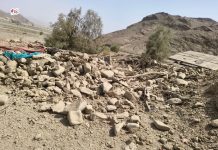








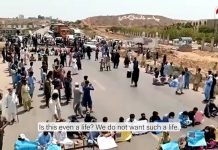
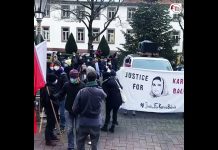

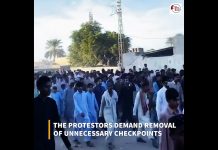


In Killi Yar Mohammad Sonaro, in the Wadh area of Khuzdar district, Balochistan, Pakistani forces reportedly opened direct fire on a house hosting a wedding ceremony at around 10 p.m. on 10 September, killing four people and injuring several others, including women. A house of celebration was turned into a house of mourning. In protest against the incident, the families of the victims staged a sit-in with the bodies on the Quetta-Karachi highway.
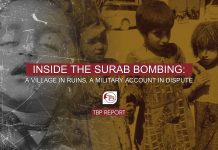
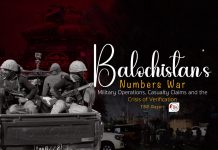
This is neither the first incident of its kind in Balochistan nor can it be confined to a single area. If one reviews the incidents that have occurred during the current and previous month alone, similar events have been reported from Kalat, Mastung, Noshki, Surab and other parts of Balochistan, where Pakistani forces have targeted civilians either through direct firing or by the use of drones, helicopters and fighter aircraft.
Taken together, these incidents point to a broader and continuing situation. Whether it is the firing on a wedding house in Wadh or the targeting of civilian populations through aerial operations, the methods may differ, but the consequences remain the same: deaths, injuries, shattered families and lives lived under the shadow of fear.
This situation forms part of a long-standing process of Baloch genocide, which the Baloch nation has faced for decades. While the methods of repression may have evolved over time, there has been no fundamental change in its impact or outcomes.
Pakistan’s continued attempts to maintain its writ in Balochistan through the use of force reinforce the perception that the state is making a final effort to sustain its presence through its existing policies and methods of repression. History teaches that voices suppressed through force do not disappear; with time, they re-emerge with greater intensity and strength.