








The city of Noshki in Balochistan has been under a strict lockdown and curfew for nearly two months, with residents reporting significant disruptions to daily life, education, and employment.
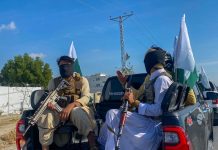
According to local sources, restrictions on movement remain in place, with residents reportedly not permitted to leave the city after 6:00 pm or enter before 9:00 am. These measures have affected routine activities, including work and access to services.
Students travelling from surrounding rural areas and villages have also been impacted. Reports indicate that they are only allowed to enter the city after 9:00 am, resulting in missed classes and ongoing disruption to their education.
In a related development, a middle school located along the main highway in the Killi Ghareebabad area has reportedly been converted into a security forces camp. As a result, a number of students are said to have been unable to continue their education at the facility.
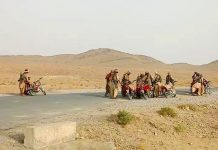
Local residents have also raised concerns about alleged restrictions on civil liberties. Some reports claim that motorcyclists have been stopped and subjected to searches and, in certain cases, mistreatment.
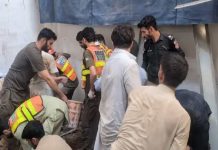
In a recent incident, two individuals travelling by motorcycle to a picnic area in the outskirts of Noshki were reportedly fired upon by security forces, according to local accounts. One individual, said to be from the Mengal area, sustained serious injuries and was later transferred to Quetta for medical treatment. There has been no official statement regarding the incident.
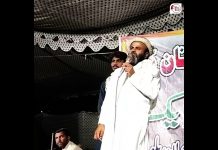
Meanwhile, Jamaat-e-Islami Noshki and allied groups have called for a joint meeting at a central mosque on Sunday to discuss the situation and consider a future course of action.
The curfew was reportedly imposed amid heightened security concerns in Balochistan. Earlier this year, the Baloch Liberation Army (BLA) announced a new phase of operations, referred to as “Operation Herof Phase II”, following which multiple attacks were reported in different parts of Balochistan.
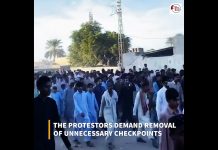
Residents and members of civil society have called on authorities to ease restrictions, restore access to educational institutions, and address reported concerns regarding human rights. Officials have not issued a detailed public response to these demands at the time of reporting.