















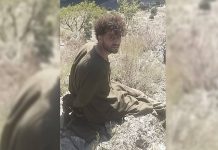









The Counter Terrorism Department (CTD) in Sindh has claimed to have arrested a man allegedly linked to the Balochistan Liberation Front (BLF) during an intelligence-based operation in Karachi.
According to CTD officials, the suspect was identified as Amjad, also known as Gwahram, who was listed among the most wanted individuals in the department’s “Red Book”.
A CTD spokesperson said the operation was conducted following a tip-off in a locality of Karachi, where the suspect was taken into custody. Police said a .30 bore pistol and ammunition were also recovered from his possession.
During preliminary interrogation, CTD officials claimed that the suspect disclosed that he had received militant training in a neighbouring country in 2022, where he was allegedly trained in the use of modern weapons and the installation of improvised explosive devices (IEDs).
According to the department, the investigation has also suggested the suspect’s alleged links to several incidents. Officials claimed that Amjad had conducted reconnaissance of sensitive installations and vehicles in the Maripur area of Karachi.
Authorities further alleged that he may have provided information and logistical support related to an attack on the Jaffar Express train.
CTD officials also accused the suspect of involvement in planning attacks on police personnel deployed in the Maripur area.
According to investigators, Amjad was allegedly associated with Zafar Baloch, also known as Mama, who was described by authorities as a key figure linked to the Baloch Liberation Army (BLA) and was reportedly killed during the Jaffar Express train attack.
Officials claimed that Amjad was a close associate and nephew of Zafar Baloch. Police said further investigations are ongoing to identify possible facilitators and networks linked to the suspect, and that legal proceedings will follow once the inquiry is completed.
In the past, however, the CTD has faced criticism from Baloch activists and some human rights groups, who allege that the department has previously arrested individuals or presented them in cases they describe as fabricated or politically motivated. The department has also been accused by activists and rights organisations of carrying out so-called “fake encounters”, in which individuals who had earlier been reported forcibly disappeared were later killed and presented as militants during armed confrontations.