




















Author: Zirnoor Baloch
The evolving security situation in Balochistan presents a complex conflict between Pakistani security forces and militant groups, particularly pro-independence Baloch armed organizations and Tehreek-i-Taliban Pakistan (TTP). The ongoing attacks, counter-operations, and contradicting claims between the Inter-Services Public Relations (ISPR) and independent reports raise critical questions about the actual ground realities.
Discrepancies Between ISPR Claims and Ground Reports
ISPR consistently claims significant militant casualties in response to attacks on Pakistani forces, but independent investigations, including those from government sources, suggest otherwise.
January 13 (Kachhi, Bolan): ISPR claimed that 27 militants were killed in an intelligence-based operation. However, local reports and district administration sources investigated that no such event occurred.
January 31 – February 1 (Harnai & Kalat): ISPR reported the killing of 23 militants, while independent sources reported no militant casualties in Kalat but over 31 Pakistani soldiers killed in an attack. The military operation in Harnai involved heavy aerial assaults but failed to inflict militant casualties, as per TTP.
These contradictions suggest an effort by ISPR to control the narrative and mitigate the perception of military losses, rather than reflecting the real situation on the ground.
Militants’ Growing Tactical Superiority
The reported efficiency of militant groups in minimizing their casualties while inflicting significant damage on Pakistani forces suggests an evolution in their strategic planning.
Hit-and-Run Tactics: Militants, particularly Baloch fighters and TTP, have increasingly relied on guerrilla warfare, targeting convoys, security outposts, and suicide bombings while avoiding large-scale confrontations.
Intelligence & Coordination: Successful attacks on Pakistani forces, as seen in Kalat and Zehri (Khuzdar), indicate Baloch organisations’ well-coordinated militant operations with precise intelligence, allowing them to evade heavy losses despite large-scale military operations.
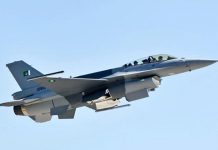
Adapting to Pakistan’s Military Response: The use of drones, helicopters, and fighter jets by Pakistani forces suggests an intensifying military campaign, but the lack of reported militant casualties implies that insurgents have adapted by improving their hideouts and mobility.
The Erosion of Pakistan Army’s Credibility
The contradiction between ISPR’s statements and independent reports contributes to growing skepticism regarding the effectiveness of Pakistan’s military operations in Balochistan.
Lack of Independent Verification: ISPR’s casualty reports often lack third-party confirmations, as hospitals and district administrations do not verify such high militant fatalities.
Civilian Perception in Balochistan: Locals may perceive the military’s response as exaggerated or deceptive, further fueling anti-state sentiments and strengthening the insurgency.
International Image Management: By inflating militant casualties, ISPR aims to project an image of control and success to both domestic and international audiences. However, the reality on the ground—high military casualties and persistent militant attacks—suggests otherwise.
Key Questions:
- Is Pakistan Losing Ground in Balochistan?
The increasing frequency of successful militant attacks, coupled with reports of military setbacks, indicates that Pakistani forces are struggling to maintain control. While the state continues its military operations, the growing efficiency of insurgents suggests that Pakistan is facing a prolonged and intensifying conflict in Balochistan.
- Is ISPR Merely Engaged in Media Propaganda?
The repeated claims of high militant casualties without verifiable evidence indicate an effort to maintain a favorable public narrative rather than reflect ground realities. This raises concerns about the credibility of official military statements.
- Are Militants in Balochistan More Powerful and Strategic than Pakistan’s Armed Forces?
While Pakistani forces have superior weaponry and air power, militants in Balochistan appear to be gaining the upper hand through better strategy, intelligence, and operational effectiveness. Their ability to sustain their insurgency despite repeated military offensives suggests that they are becoming more organized and resilient.
Conclusion
The conflict in Balochistan is becoming increasingly difficult for Pakistan’s military to control. The apparent discrepancy between ISPR’s claims and independent ground reports highlights a widening gap between state narratives and realities. While ISPR aims to project strength, the persistent high casualties among Pakistani forces and the strategic efficiency of militants suggest that insurgents are gaining ground. If this trend continues, Pakistan may face even greater instability in Balochistan in the coming years.
The author is a journalist based in Balochistan; she covers militancy in the region.
Disclaimer: The views and opinions expressed in this article are those of the author and do not necessarily reflect the official policy or position of The Balochistan Post or any of its editors.