










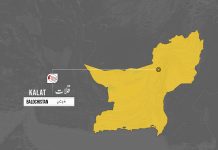
















A resolution seeking the abolition of the sardari system and a ban on the use of the titles “Nawab” and “Sardar” was listed for Thursday’s sitting of the Balochistan Assembly, five decades after legislation abolishing the system was passed.
According to the agenda, the resolution is to be moved by Maulana Hidayat-ur-Rehman Baloch. It calls for a ban on using the two titles in speech and writing.
The System of Sardari (Abolition) Act, 1976, already prohibits the exercise of judicial powers without legal authority, the maintenance of private prisons, unlawful detention and forced labour.
Violations carry a sentence of up to three years in prison, a fine of up to Rs10,000, or both. The law also prohibits sardars from demanding tribute or payments on the basis of their tribal position.
During Balochistan’s first assembly, Sardar Ataullah Mengal and Nawab Khair Bakhsh Marri had also introduced a resolution calling for the abolition of the sardari system.
The Balochistan High Court has also ruled against legal recognition of the institution. In December 2005, it dismissed a petition seeking recognition of a tribal chief as a sardar, holding that the institution had been abolished and that its recognition could not be claimed as a constitutional right to preserve culture.
Despite the legislation, accounts of private prisons and unlawful detention in areas controlled by influential tribal chiefs have continued to emerge.
Also Read | Balochistan: Minister accused of murders, keeping private jails
A 2023 investigation by journalist Muhammad Akbar Notezai documented accounts from people who said they had been held and tortured in private prisons in Balochistan. It also examined the protection enjoyed by influential sardars and failures by local authorities to act against them. Government officials denied that private prisons existed, while Sardar Abdul Rehman Khetran, whose alleged prison was among those examined, also denied maintaining one.
Human Rights Watch addressed the relationship between the state and tribal leadership in its 2016 report, This Crooked System: Police Abuse and Reform in Pakistan. It said the Pakistani state had helped perpetuate tribal systems of organisation and control in Balochistan and had used those arrangements to its advantage.
The proposed resolution also calls for an end to official patronage of sardars and demands that those involved in oppression be brought before the law. It says all citizens must be subject to the Constitution and law, without superiority on the basis of tribal status.