




















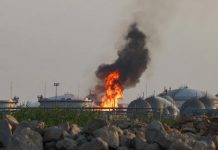





Former Balochistan chief minister Nawab Aslam Raisani has condemned a reported drone strike on Mehrgarh and the destruction of fruit orchards in Mastung, warning that the continued use of force could deepen mistrust, alienation and resistance among the local population.
In a statement, Raisani said Mehrgarh was not the home of any one individual but an important national, historical and tribal centre of Balochistan, describing repeated actions against such places as a matter of serious concern.
He said Mehrgarh represented Balochistan’s historical heritage, tribal unity and peace, adding that the use of force against such sites and people’s homes threatened that heritage and could deepen feelings of deprivation and resentment.
Referring to the reported drone strike, Raisani said the increasing use of force in Balochistan had raised concerns that space for peaceful political and democratic activity was being restricted.
He urged state authorities to recognise that actions targeting places of national significance and people’s homes could have lasting consequences.
The former chief minister also expressed concern over the destruction of fruit orchards belonging to tribes in Mastung, saying their loss represented more than an economic or environmental setback.
Raisani warned that destroying orchards and trees could further alienate locals, undermine public confidence in state institutions and harden attitudes within tribal society.
“Trees can be cut down and orchards can be destroyed, but the mistrust and resentment created in people’s hearts cannot be eliminated through force,” he said.
Raisani also criticised the government’s characterisation of Baloch resistance as “Fitna-e-Hindustan”, arguing that such labels ignored the grievances and injustices driving the conflict.
He said continued actions against civilians demonstrated, in his view, that unrest in Balochistan was driven not only by resistance but also by what he described as state repression, injustice and longstanding grievances.
The former chief minister called on the state to address the underlying causes of the conflict rather than relying on labels and force.
He said any genuine effort to establish peace in Balochistan required negotiations, political dialogue and democratic solutions, along with justice, respect for national and tribal rights and the political inclusion of the region’s people.
Raisani warned that continued reliance on force would further complicate the situation, adding that both the state and the people of Balochistan would benefit from reduced tensions, mutual trust and a peaceful political settlement.