





















The bodies of two men previously reported missing have been recovered in Gwadar district, as fresh cases of enforced disappearance and releases continue to emerge from different parts of Balochistan, according to local sources and rights groups.
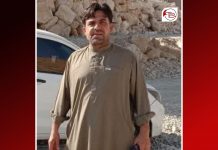
The bodies were found in the Nalent area of Pasni tehsil in Gwadar. Local officials said both victims had sustained gunshot wounds. They were later identified as Ajmal, son of Yaseen, a resident of Turbat, and Syed Shaho.
According to local sources, Ajmal had allegedly been forcibly disappeared by Pakistani forces in August last year from Gwadar, while Syed Shaho, a resident of the Jiwani Panwan area, had reportedly been subjected to enforced disappearance on multiple occasions. His most recent disappearance was said to have occurred in September last year.
There has been no official statement from security authorities regarding the circumstances of their deaths.
Separately, another case of alleged enforced disappearance was reported from Kharan district. Shah Ji Fazal, son of Haji Sawalih Muhammad, a resident of Sarawan, was reportedly taken into custody from his home on April 30 by personnel of the Frontier Corps and has since remained missing, according to family members.
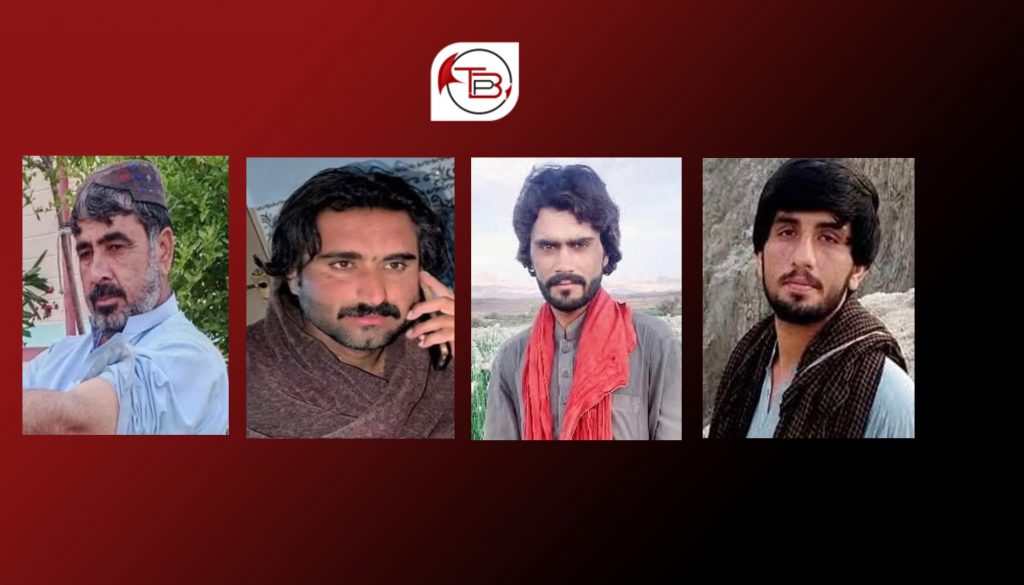
Meanwhile, three individuals previously reported missing have resurfaced in separate areas. Kamran Baloch, a resident of Noshki who had allegedly been missing since February 11, reappeared on April 29. Qadeer Majeed, from the Greshag Naal area of Khuzdar, was detained on April 30 and later released on May 2. In another case, Asadullah, a resident of Katgari in Panjgur, was reportedly taken into custody on April 24 and presented the following day.
Human rights organisations have repeatedly raised concerns over reports of enforced disappearances and extrajudicial killings in Balochistan. Pakistani authorities have previously denied the existence of any systematic policy of enforced disappearances.
The latest developments highlight the persistence of disputed claims surrounding detentions and military operations in the region, where accountability and transparency remain contested issues.