









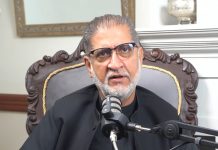






A human rights activist, Fateh Baloch, has raised concerns over the human rights situation in Balochistan while addressing a session of the United Nations Human Rights Council.
Speaking at the Council, he stated that he was drawing attention to conditions in the province, alleging that collective punishment is being used as a tool to suppress dissent. He claimed that, in recent months, Pakistani authorities have publicly defended measures that, in his view, affect entire communities under the pretext of security.
According to his remarks, broad powers granted under counter-terrorism and public order laws, including detention, surveillance, and restrictions on movement, have increasingly become routine. He argued that such measures are not being used solely for law enforcement purposes but also to deter political activity and silence dissenting voices.
The activist further alleged that there have been instances of homes belonging to political workers being demolished, as well as reports of harassment of families. He also referred to security operations involving raids on neighbourhoods and prolonged military activity, which he said have disrupted education, employment, and daily life.
He described enforced disappearances as an ongoing and unresolved issue, stating that families of missing persons often face pressure rather than receiving clear information about their relatives.
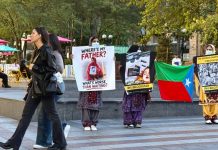
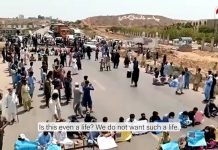
In his address, he also highlighted what he characterised as a climate of fear, suggesting that journalists face pressures leading to self-censorship, students are hesitant to speak out, and women involved in peaceful protests have encountered surveillance, detention, and threats.
He emphasised that security considerations should not justify measures affecting entire communities, noting that international law requires individual accountability and due process.
Concluding his remarks, he called on the Human Rights Council to urge Pakistan to end the use of collective punishment, allow independent investigations, and ensure the protection of fundamental human rights in Balochistan.
Pakistani authorities have not issued an immediate response to the statements made during the session.