








Pakistani military operations carried out across Quetta and other parts of Balochistan have led to the detention of more than 100 people and a series of serious allegations involving the killing of civilians, including elderly individuals and children, according to families of detainees, civil society groups and local authorities.
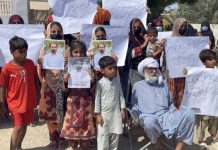
Residents and human rights groups report that Pakistani forces conducted large-scale raids in multiple neighbourhoods of Quetta, during which over 100 individuals were taken into custody and transferred to undisclosed locations. Families say they have not been informed of the detainees’ whereabouts, nor provided with arrest warrants or formal charges.
The regional government has stated that around 100 “suspected individuals” were arrested and claimed that small and heavy weapons were recovered from several houses. However, officials have not presented evidence to the media to substantiate these claims.
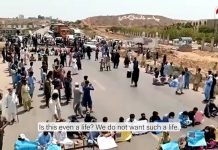
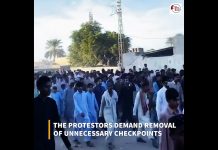
Authorities also announced that internet services in Quetta would be restored by late night and said the situation across Balochistan was under control. Despite this, residents reported continued tension, road blockages and communications shutdowns in several areas, including Noshki, where conditions remain volatile.
Attacks Precede Military Operations
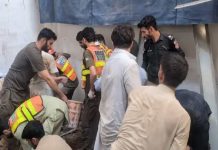
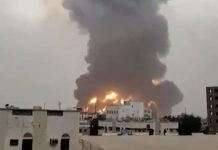
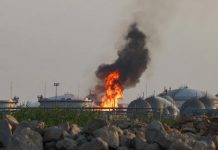
The military operations followed a wave of coordinated attacks on 31 January, when government and military installations were targeted in at least 12 cities across Balochistan, including Quetta, Gwadar, Pasni, Dalbandin, Kharan and Noshki.
The Baloch Liberation Army (BLA) claimed responsibility for the attacks, describing them as part of the second phase of “Operation Herof.”
Allegations of Civilian Killings
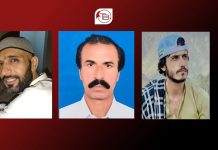
The Baloch Yakjehti Committee (BYC) alleged that a 60-year-old man, Babu Atta Muhammad Badini, was killed in Noshki after being shot by Pakistani military personnel. The organisation described the killing as unlawful and a violation of fundamental human rights. The allegation has not been independently verified.
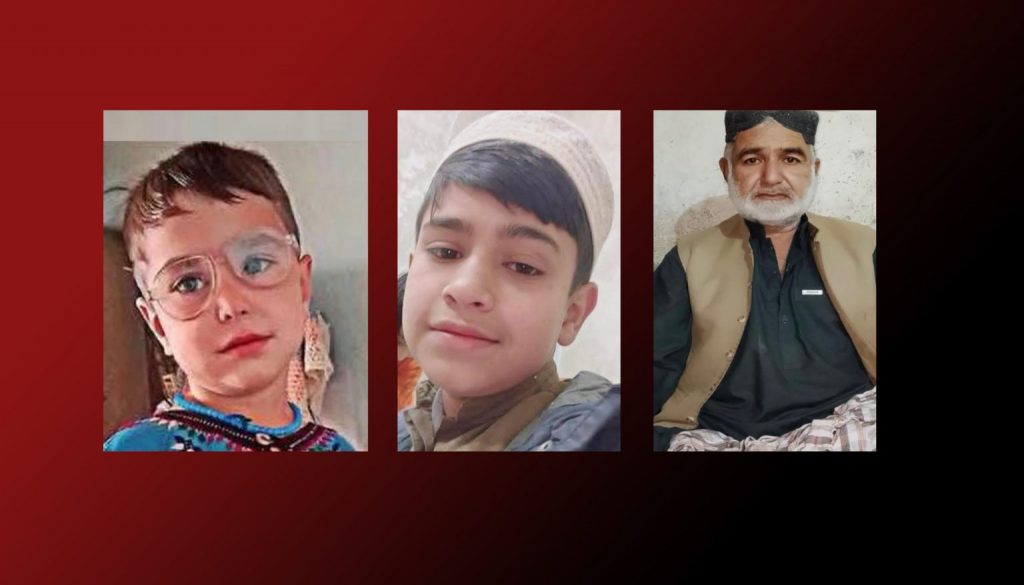
BYC also reported that Shahzad Ahmed, a 12-year-old school student, was killed during firing by military forces in a densely populated residential area. According to the group, the child was not involved in hostilities and was inside a civilian environment at the time of the incident.
In a separate allegation, BYC stated that Deedag Baloch, a three-year-old child, was killed in what it described as a drone strike in Noshki. Pakistani authorities have not confirmed or denied any civilian casualties.
Alleged Enforced Disappearance of University Student
Amid the ongoing military operations, a new case of alleged enforced disappearance has been reported from Quetta.
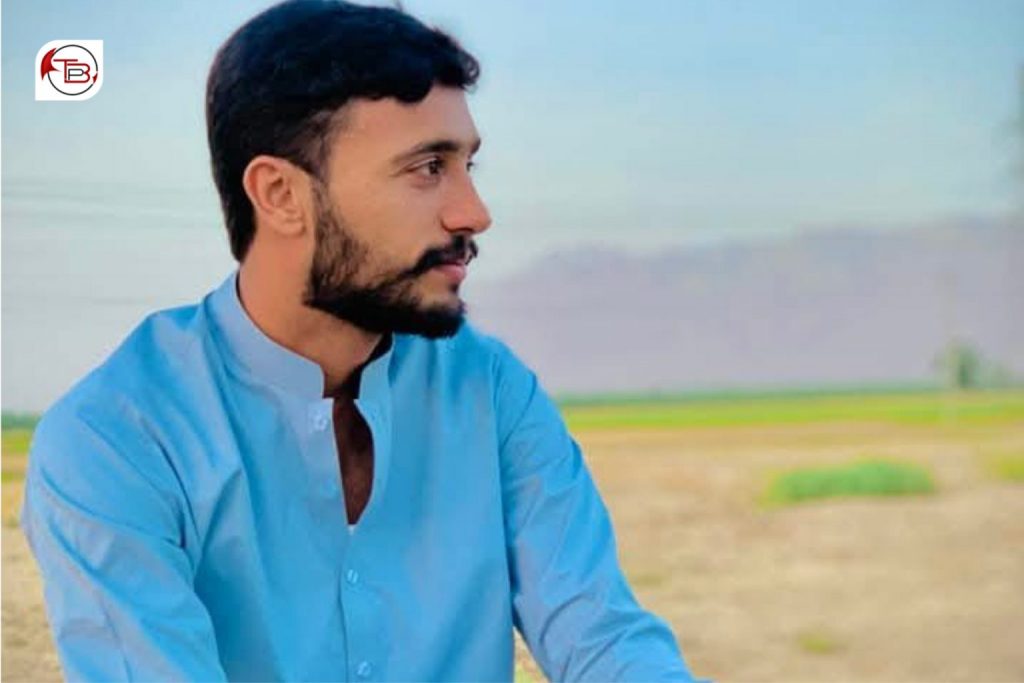
Family members say Asadullah Kurd, a 25-year-old BS student at the University of Balochistan, was detained from his home on Brewery Road during the night between Wednesday and Thursday. According to relatives, men in plain clothes—identified by the family as personnel from the Counter Terrorism Department (CTD)—took him away without presenting an arrest warrant.
The family says they have received no information regarding his location or legal status since the detention.
Growing Human Rights Concerns
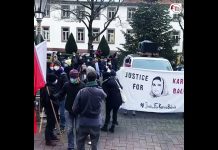
Human rights organisations have long documented allegations of arbitrary detention, enforced disappearances and extrajudicial killings in Balochistan. Families of missing persons have repeatedly accused Pakistani security institutions of operating outside legal frameworks—claims that authorities have consistently denied.
As military operations continue and reports of civilian casualties and disappearances mount, rights groups say the situation in Balochistan reflects a deepening human rights crisis, marked by the absence of transparency, accountability and independent investigations.