







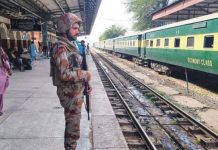
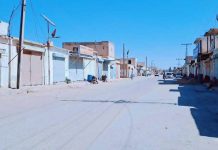











On the night of 30 November, a suicide attack was carried out on the Frontier Corps’ brigade headquarters in Nokundi, a subdivision of Chagai district in Balochistan. The assault lasted for almost thirty-six hours. The Balochistan Liberation Front (BLF) claimed responsibility for the operation, stating that it was carried out by its “Fidayee Battalion”, the Saddo Operational Battalion, which had aimed to target the compound housing engineers and foreign personnel linked to the Saindak and Reko Diq projects.
Chagai is regarded as a strategically and economically important district because it hosts major mineral projects such as Reko Diq and Saindak, in which Chinese and Canadian companies are investing. The United States and Saudi Arabia have also expressed interest in these ventures, but incidents of this nature increase the likelihood that international investors will view the region’s volatility as a risk to their capital.
Due to the economic activity in Chagai, the area has heavy security arrangements by the Pakistan military, and the relatively secure town of Nokundi had not previously witnessed a major suicide attack of this scale. The Majeed Brigade of the Baloch Liberation Army already poses significant security and economic challenges for Pakistan, and with the activation of the BLF’s Saddo Operational Battalion (SOB), the possibility of a rise in the intensity of attacks cannot be ruled out.
This BLF attack indicates that the organisation is shifting its operational approach and attempting to adapt to the changing battlefield environment. This development could create further difficulties for Pakistan, China, and investors such as Barrick Gold, as the scope of attacks appears to be extending towards key and sensitive locations.
According to the SOB, by targeting the brigade headquarters in Nokundi they intend to send the message that foreign investment cannot be considered secure without the consent of Baloch institutions, and that armed groups possess the capability to strike strategic and economic targets even within heavily fortified zones controlled by the Pakistan military.