

















At least three bodies of Baloch men previously reported as forcibly disappeared were recovered in Kech district of Balochistan on Friday.
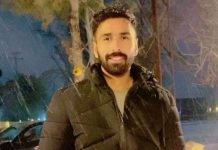
According to reports, the bullet-ridden body of Imran, son of Nadil and a resident of Gomazi, was found in the Tump Gomazi area. Imran had allegedly been taken by government-backed militias, locally known as death squads.
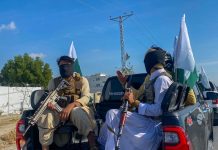
Witnesses said that at around 2 a.m. on Wednesday, members of a government-backed militia, commonly referred to as a state-aligned death squad, allegedly raided a house in Tump Gomazi, breaking through the boundary wall before detaining Imran.
Saeed Buzdar, a journalist from Balochistan, told TBP that Imran’s family had received several calls from individuals they believe belong to the same group, demanding a ransom of 20 million rupees. “The callers allegedly warned that failure to pay could result in Imran’s body being returned instead. The family says they were unable to meet the demand,” he said.
Relatives added that Imran had previously been detained by Pakistani forces and associated militia groups, during which he was allegedly subjected to severe torture before being released.
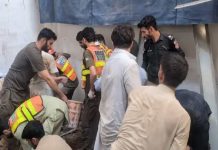
In another similar incident, two more bodies were recovered from the D. Baloch area of Turbat and later shifted to Turbat Teaching Hospital. Hospital sources identified the deceased as Abubakar, son of Hasil and a resident of Khairin Bal-Nigwar, and Tahir, son of Allah Bakhsh from Sholi, Dasht.
Locals alleged that the two men may also have been forcibly disappeared, noting that their physical condition suggested they had not been exposed to sunlight for a long period.
The incident adds to a wider pattern of reported human rights violations in Balochistan. International organisations have documented cases of enforced disappearances, torture and extrajudicial killings in Balochistan. For years, Baloch activists and rights groups have accused the Pakistani state of carrying out systematic violence to suppress the Baloch nationalist movement.
Thousands of people have disappeared in Balochistan over the past two decades, many later found dead under unclear circumstances, often bearing signs of torture. Despite repeated calls for accountability, Pakistani authorities have offered little public comment. Investigations, when initiated, are infrequent and rarely lead to prosecutions. Families of the victims say they continue to face pressure and harassment in their efforts to seek justice.