










By Aysha Baloch
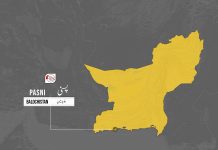
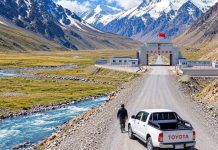
More than five decades ago, the people of East Pakistan faced systemic marginalization, economic exploitation, and propaganda-driven vilification—until the country split and Bangladesh was born. Today, the same playbook is being applied in Balochistan, particularly along its borders with Iran and Afghanistan. This time, the weapon is border trade, and the victims are the Baloch people, trapped between geopolitical ambitions and state-controlled economics.
In southern Balochistan, cross-border trade with Iran has long been a survival mechanism for locals. With Pakistan failing to provide infrastructure, fuel, food, and essential goods, Baloch communities turned to informal trade with Iranian counterparts.
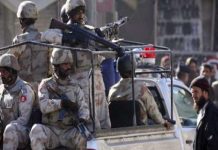
Instead of supporting this economy or formalizing it to benefit locals, the Pakistani state has militarized the border. Goods—especially Iranian fuel—now flow under strict security control, bypassing Baloch communities and heading straight to Sindh and Punjab. The very people living next to these goods can’t access them, while black markets elsewhere thrive.
What makes the situation more disturbing is the state’s public justification. Officials have claimed that diverting smuggled Iranian oil to the rest of Pakistan is necessary due to dollar shortages and a strained foreign exchange reserve. This informal trade is unofficially “allowed” to sustain national needs—but only when it benefits powerful networks.
At the same time, local Baloch traders are labeled “smugglers,” and the community is collectively criminalized. The same state that manages and profits from the trade accuses its poorest citizens of economic sabotage.
The echoes of East Pakistan are undeniable. In the 1960s and early ’70s, the people of Dhaka and beyond were denied fair trade, development, and political representation. Their jute funded Karachi’s industries, but they reaped none of the rewards. When they resisted, they were vilified.
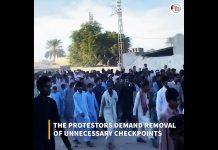
In Balochistan today, the story is the same. The state takes what it needs, denies development, and silences protest with militarization. The demand for basic rights is reframed as separatism. The search for justice is labeled as insurgency.
From Gwadar to Panjgur, the absence of basic facilities—hospitals, schools, clean water—is glaring. Despite the billions invested in projects like CPEC, Baloch communities are still waiting for electricity and jobs. Meanwhile, their land is mined, their ports are leased, and their youth are disappeared in the name of “security.”
Security forces and collaborators now control not only land and resources, but also the narrative. National media rarely reports the truth from Balochistan. Instead, they amplify a script that portrays the region as hostile and backward, rather than oppressed and exploited.
Let us be clear: the biggest smuggling network in Balochistan is not run by villagers. It is a state-enabled operation, routed and protected through military channels and informal bureaucratic chains. Local Baloch traders, who once survived through this economy, are now pushed into poverty, criminality, or exile.
This is not law enforcement—it is economic warfare.
Baloch does not see themselves as part of Pakistan’s internal crisis—baloch are a distinct nation, forcibly occupied, misrepresented, and denied their basic right to exist with dignity. Baloch history predates the creation of Pakistan. Our language, culture, and traditions are our own. What the state calls “smuggling,” we know as survival. What they label “insurgency,” we live as resistance. The truth is this: Balochistan’s resources, roads, and borders are being used to feed a country that has only ever returned violence and exploitation in return.
We are not demanding charity—we are demanding freedom. The border is ours. The land is ours. The right to decide our future is ours. Until the world recognizes this, and until Pakistan ends its colonial grip over Balochistan, the struggle will continue—not because we hate Pakistan , but because we love our people enough to fight for their dignity, survival, and independence.
Disclaimer: The views and opinions expressed in this article are those of the author and do not necessarily reflect the official policy or position of The Balochistan Post or any of its editors.