





















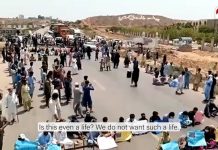





On 27 October, unidentified armed men attacked a girls’ college in Nushki district, vandalising the institution and damaging its CCTV cameras. They also assaulted and intimidated the staff present at the college. During the attack, the men opened fire, injuring three female students. On the same day, armed men entered a private school in Killi Qadirabad, Nushki, where they assaulted the school administration and teachers, spreading fear and panic among those present. The attackers insisted that boys and girls should be taught in separate classes and issued threats to enforce their demand.
This is not the first incident of its kind in Balochistan. Reports of threats, intimidation and violence against educational institutions, students and teachers have repeatedly emerged from different parts of the region. Similar anti-education activities have been reported in Panjgur, where students have been targeted and educational institutions threatened with closure. Such incidents have also continued in various parts of Kech, particularly Buleda, Tump and Turbat. These include schools being set on fire, attacks on and injuries to school owners and staff, and threatening letters sent to educational institutions. Reports of threats and other actions disrupting the educational environment have also emerged from districts such as Mastung and Kharan.
Balochistan is already burdened by severe educational deprivation, poverty, unemployment, a lack of educational facilities and the denial of basic rights. Thousands of children remain deprived of access to quality education. Yet, rather than addressing this situation, the activities of such elements are further deepening the crisis. Through threats, intimidation and attacks, they are destroying the educational environment and obstructing the path to knowledge and awareness.
This is not simply an attack on the education sector; it is a direct assault on Balochistan’s future, its collective progress and the fundamental right of its younger generation to education. Against this backdrop, the state’s complete silence over these anti-education activities and hostile actions raises serious questions. Its continued role as a silent spectator is not merely an indication of administrative negligence or helplessness; it also strengthens the impression that these elements enjoy state patronage, tacit support or, at the very least, protection from certain quarters. If this is not the case, why are effective measures not being taken to stop these groups from continuing their activities against education in Balochistan? Why is the law not being enforced against them? And why are the protection of educational institutions, teachers and students not among the state’s foremost priorities?
Depriving the Baloch people of education is not merely an educational failure. It means restricting their present, suppressing their consciousness and pushing their future into darkness. This situation is not simply the consequence of administrative negligence; rather, it reflects an organised state policy and a deliberate plan. Historically, colonial powers have employed similar methods to keep subjugated nations backward, restrict their independent thought and perpetuate their domination over them.