







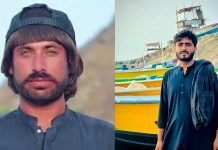







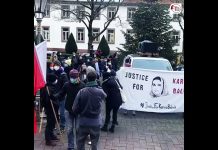



Four people, including a 30-year-old driver, a religious seminary teacher and a university graduate, have reportedly been forcibly disappeared in different parts of Balochistan, according to sources. Separately, the Baloch Yakjehti Committee (BYC) has strongly condemned the deaths of a 14-year-old student and a 28-year-old school administrator whose bodies were found after they had allegedly been forcibly disappeared.
Three people have reportedly been forcibly disappeared in Naal, Panjgur and Quetta, while a university graduate from the coastal town of Pasni was allegedly detained by Pakistani forces and transferred to an undisclosed location.
According to sources, Farooq, son of Abdullah and a resident of Istakhli, Naal, was allegedly forcibly disappeared by Pakistani forces 11 days ago and no information about his whereabouts has emerged since.
In another incident, 30-year-old Abid Arman, son of Ali Ahmed, from the Tasp area of Panjgur, was allegedly forcibly disappeared after being detained from his home at approximately 4 a.m. on November 18, 2026.
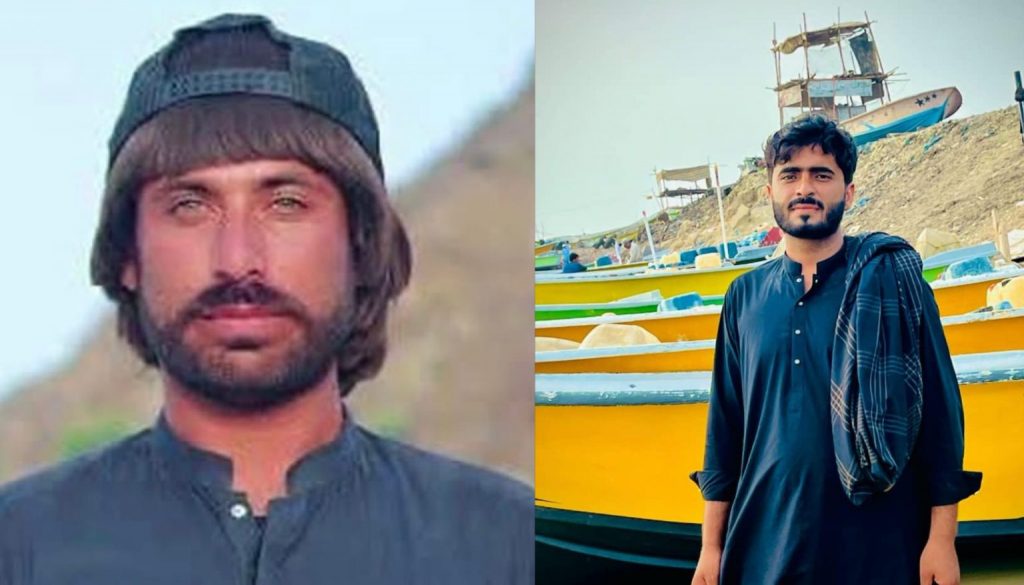
Abid Arman works as a Zambad driver, transporting goods in the region. Frontier Corps (FC) personnel and members of a state-backed local group “death squad” have allegedly been accused of involvement in his disappearance.
Meanwhile, 21-year-old Waheed Baloch, son of Sher Muhammad, a resident of Kechi Baig in Quetta, was reportedly forcibly disappeared by personnel of the Counter Terrorism Department (CTD) at around 1:30 a.m. on the night of November 8, 2026. Waheed works as a teacher at a religious seminary.
In a separate case in the coastal town of Pasni, Jahanzaib, son of Rahim Bakhsh, was allegedly detained during a raid on his home by Pakistani forces approximately one week ago.
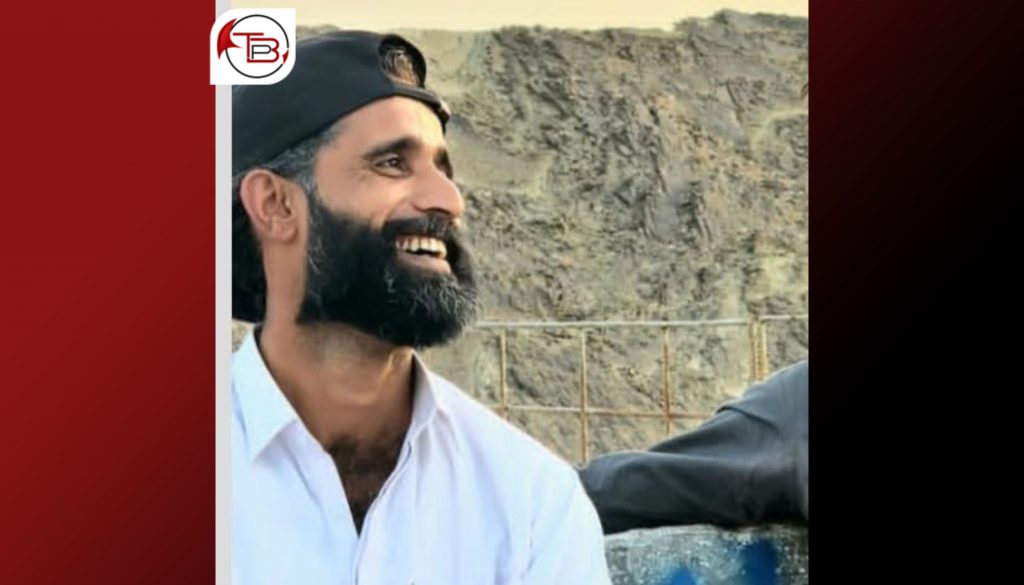
Jahanzaib is a resident of Ward No. 1 in the Babbar Shore area of Pasni tehsil and has completed a Master’s degree in Psychology from the University of Balochistan. According to the information received, security personnel raided his home at around 2 a.m., took him into custody and transferred him to an undisclosed location. His family has appealed for his safe recovery.
The families of all four men are deeply concerned about their safety and say they have received no information about their whereabouts since their alleged detention.
In a separate development, the Baloch Yakjehti Committee (BYC) has strongly condemned the deaths of 14-year-old student Qambar, son of Nazeer, and 28-year-old school administrator Tahir Rafiq, son of Rafiq, whose bodies were found after they had allegedly been forcibly disappeared in Balochistan. The rights group called on national and international human rights organisations to take immediate notice of the cases and demanded transparent investigations into the disappearances and deaths.
According to the BYC, Qambar was a student and a resident of Tump in Kech district. He was allegedly forcibly disappeared by Frontier Corps (FC) personnel on September 3 while travelling from Mand towards Tump, near the Aaziyan area. After remaining missing for more than two months, his body was found dumped near a river in the Kalahu area, it said. The group said his body bore signs of torture and mutilation.
The BYC described Qambar’s case as part of a wider pattern of enforced disappearances and extrajudicial killings in Balochistan, raising concerns about the risks faced by ordinary Baloch civilians, particularly young people and children.
In the second case, according to BYC, Tahir Rafiq was a resident of Shapuk, Turbat, and worked as an administrator at a private school. BYC said Tahir was reportedly forcibly disappeared by members of a state-backed “death squad” at approximately 12:30 pm, on October 25, 2026. His body was reportedly found dumped in the Apsar area of Turbat at around 3 pm, the same day.
The group alleged that an attempt was made to portray Tahir’s death as a suicide by placing a pistol in his hand. However, according to the statement, visible signs of torture on his body contradicted that account.
The BYC said Tahir belonged to a poor family and was the family’s sole breadwinner. Through his job at the private school, he supported his parents and met his family’s financial needs. His death, the group said, deprived his family not only of their young son but also of their only source of financial support.
The committee characterised both cases as part of an alarming pattern of enforced disappearances and extrajudicial killings in Balochistan.
It called on national and international human rights organisations, the United Nations and relevant authorities to ensure independent, transparent and impartial investigations into the disappearances and deaths of Qambar and Tahir Rafiq, bring those responsible to justice, and take immediate and effective measures to prevent further enforced disappearances, extrajudicial killings and alleged staged encounters in Balochistan.