









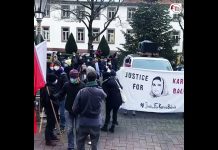


Twenty years ago today, on 26 August 2006, the martyrdom of veteran Baloch leader Nawab Akbar Khan Bugti during a Pakistani military operation in the Dera Bugti region of Balochistan gave new momentum to the Baloch nationalist movement. This event was not merely the martyrdom of a political leader; rather, it became a turning point in the politics of Balochistan and in Baloch national consciousness, the effects of which remain visible even after two decades. During his lifetime, Akbar Bugti occupied a significant political position, but after his martyrdom he was transformed into a symbol. His martyrdom further connected people to questions of identity, national rights, political authority and freedom.
The 26th of August left such profound marks on Baloch history and the national movement that they cannot simply be erased with the passage of time. Akbar Bugti’s martyrdom once again revived among Baloch youth a long-standing dream and sentiment that Baloch society had preserved in its collective memory for generations. It was a dream that could not be completely extinguished despite periods of political pressure, military operations and various phases of state power.
If there existed a perception in Islamabad that removing an influential nationalist leader could weaken Baloch resistance or the national movement, then the history of the past twenty years has, at the very least, subjected that perception to serious questions. During this period, an entire generation came to view the issue of Balochistan through a new political and national consciousness. Perhaps the greatest significance of 26 August lies in the fact that it is not merely a remembrance of a past event, but also compels reflection on choices for the future.