



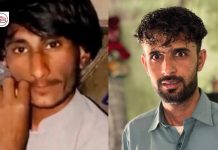



The Baloch Yakjehti Committee (BYC), along with several rights groups and activists, on Wednesday condemned the killing of 18-year-old student Zameer Dagarzai in Panjgur.
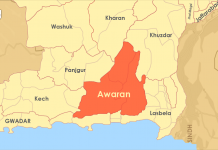
According to the BYC, Zameer Dagarzai Baloch, son of Nasir Dagarzai and a resident of the Sardo area of Panjgur, was forcibly disappeared on 3 March 2026 from the Tarfees area of Chitkan. His body was later recovered on 11 March from the Washap area of Panjgur.
The group alleged that he was abducted by “death squads” and described the killing as an extrajudicial execution. It said the case reflected what it described as a continuing pattern in Balochistan in which young Baloch men are forcibly disappeared and later found dead.
“His father, Nasir Dargarzai, was also forcibly disappeared in 2011. He was later shot and his body was dumped. Although he survived and received medical treatment, he was forcibly disappeared again and eventually killed,” the statement said.
The BYC said the same pattern had now been repeated with his son, calling it an example of what it described as repression transmitted from one generation to the next.
The group said such incidents had become systematic in Balochistan, where youth and students were allegedly being forcibly disappeared, killed and their bodies discarded without accountability.
It called on the international community and human rights organisations to take urgent notice of what it described as ongoing violence in the region.
‘Policy of collective punishment’
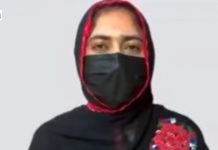
In a separate statement, BYC leader Dr Sabiha Baloch said enforced disappearances, extrajudicial killings and the recovery of mutilated bodies had become routine in Balochistan.
She said that in the past two months alone, 22 individuals in Panjgur and eight in Kech had been killed through enforced disappearances or targeted attacks.
“The question is not why people are reacting,” she said. “The question is how long they are expected to continue carrying the bodies of their loved ones.”
Referring to Zameer’s father, she said Nasir Dagarzai had been forcibly disappeared in January 2011, tortured, shot and left for dead before later being re-abducted and killed in July that year. Zameer, who was four years old at the time, was later subjected to what she described as the same cycle of violence.
Dr Sabiha also cited the case of Inayatullah Bangulzai, missing since 2014, and said his teenage son had now also been forcibly disappeared. She described such cases as evidence of what she called a broader policy of collective punishment targeting Baloch families.
Baloch Voice for Justice (BVJ) said Zameer’s killing demonstrated how families of victims remained under “constant threat”, alleging that children of previously disappeared individuals continued to face persecution and violence.
Baloch National Movement (BNM) chairperson Dr Naseem Baloch described the case as “genocide”, saying generations of the same family were being systematically targeted in an effort to crush what he termed the Baloch national movement.
Pakistani authorities did not immediately comment on the allegations.