









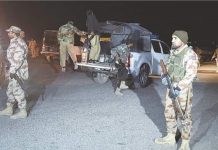

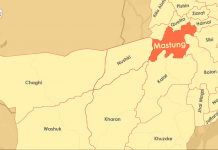
















Rescue teams in Balochistan’s Duki district recovered the body of one coal miner following a deadly incident in the Miraj Coal Area. The deceased has been identified as Nasibullah s/o Mehlaj alias Haji Shamsullah, a resident of Musakhel.
According to hospital sources, Nasibullah lost his life after becoming trapped in the mine during the accident, which occurred a day earlier. Another miner was rescued alive shortly after the incident, while two others remain missing. Search and rescue efforts are still underway.
Frequent accidents in Balochistan’s coal mines have long raised concerns about the lack of safety measures. Despite repeated incidents, conditions for mine workers remain largely unchanged, leaving thousands of miners vulnerable to hazardous working environments.
According to official statistics, Balochistan’s coal-rich districts, such as Quetta, Bolan, Harnai, Loralai, and Duki, contain over 256 million tonnes of coal reserves. Yet, safety enforcement in the mining sector remains minimal.
The Pakistan Central Mines Labour Federation estimates that more than 100,000 workers are employed in coal mining across Balochistan. Each year, many miners are killed or seriously injured due to collapses, toxic gas leaks, or other preventable incidents.
The Duki accident is one of many such incidents in 2024 alone. This year, 48 coal mine accidents have been reported across Balochistan, resulting in the deaths of at least 82 miners. Most of these incidents occurred in Duki, Harnai, Macch, and Quetta, often caused by landslides, gas leaks, and a critical lack of safety infrastructure.
Despite the scale and frequency of these incidents, there has been little to no legal action taken against mine operators or responsible authorities. Labour unions have condemned the situation, calling it a blatant violation of workers’ rights. They have demanded urgent legal reforms, stricter oversight, and the implementation of robust safety protocols to prevent further loss of life.