






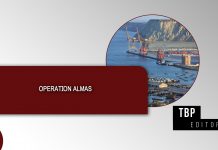

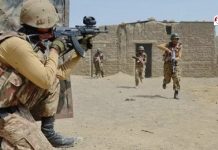




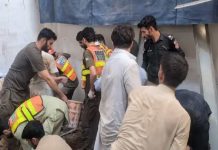



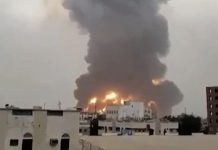




At around 4 pm on the evening of 22 October, reports emerged of armed men entering the coastal city of Gwadar in Balochistan, a key city along the China-Pakistan Economic Corridor (CPEC), and carrying out attacks at various locations. The Balochistan Liberation Front (BLF), a pro-independence armed Baloch organisation, claimed responsibility for the attack and named it “Operation Almas”. Seven fidayeen, including a woman, took part in the operation and were killed after fighting that continued for more than 20 hours.
The operation in Gwadar is the second major action of this nature carried out by the Balochistan Liberation Front. Previously, a similar attack was carried out in Nokundi in November last year, on which occasion the organisation also announced the introduction of its fidayeen unit. If these events are viewed as part of a continuum, the BLF is changing its methods of operation, and its military strategy is becoming more diverse than before.
In the past, most operations of this nature in Balochistan were claimed by the Baloch Liberation Army (BLA). However, the BLF’s assumption of responsibility for such operations now indicates that armed organisations active in Balochistan are diversifying their methods of operation.
If Operation Almas in Gwadar and the BLF’s earlier operation in Dalbandin are viewed in the context of the changing trends in the ongoing movement in Balochistan, they are not merely two separate incidents, but part of a broader strategy concerning the methods of operation, organisational priorities, and political and military strategy of armed organisations. In particular, following large-scale operations by the BLA, the BLF’s actions of a similar nature raise the question of whether pro-independence armed organisations active in Balochistan are seeking to move beyond their traditional guerrilla methods and incorporate new dimensions into their activities.
The ongoing independence movement in Balochistan and the recent innovation in the operations of armed organisations in the region point to an important emerging aspect of change. The implications of this change will steer the region’s political future, the protection of the local population, and the prospects for resolving the conflict in a particular direction.