












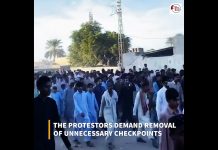


A curfew imposed in Noshki earlier this month remains in place, with residents reporting continued movement restrictions and the closure of markets and highways during evening hours.
According to information received from Noshki, the curfew has been in effect since 6 February. Authorities have ordered shops and markets to close after 6 pm, while major roads in the city, including routes connecting Noshki with Quetta and other cities, have remained blocked.
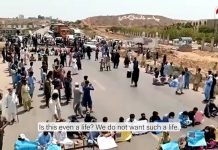
Residents say that movement within the city is restricted after 6 pm, with people reportedly prohibited from leaving their homes or entering the city during curfew hours. Pakistani security personnel have been deployed in large numbers at various locations across the town.
Local residents claim that security officials have warned them that the curfew will remain in place unless residents organise a rally in support of the state and display Pakistani flags on their homes and businesses.
According to one resident, people have also been prevented from leaving Noshki, while security personnel have been stationed on roads leading to hospitals. The resident said that a pregnant woman was reportedly stopped from reaching a hospital despite being in critical condition.
Local journalists have also reported receiving warnings to support the state’s official narrative regarding the situation in Noshki, with some saying they have been threatened with consequences if they do not comply.
Earlier this month, the Baloch Liberation Army (BLA) had carried out attacks in Noshki as part of its “Operation Herof”. The group claimed that its fighters maintained control of parts of the city for six days before announcing the end of the operation.
During that period, the BLA said it targeted Pakistani security forces, including a military camp and an intelligence facility, in suicide and other attacks.
Residents and local observers have drawn comparisons with a previous situation in Zehri, where a curfew was imposed for several weeks after security forces entered the area following a period of control by Baloch armed groups. Reports at the time said restrictions on movement had limited access to medical care for residents.