








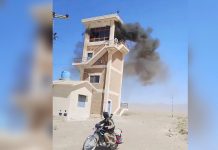






A drone strike in the Chiltan Mountains near Quetta injured at least nine people on Wednesday, residents and hospital officials said. The Pakistani army said it had targeted militants, but witnesses insisted the victims were civilians.
The strike hit the Hazarganji–Chiltan National Park, a popular picnic site on the outskirts of the Balochistan capital, where a large number of families were present, residents told local media.
A Frontier Corps checkpoint stands close to the site, residents said. “There were many civilians there for a picnic when the drone hit,” one eyewitness said. “People ran for their lives as explosions occurred.”
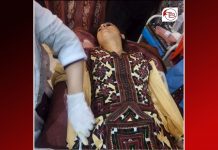
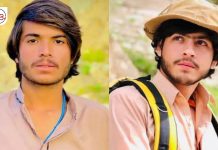
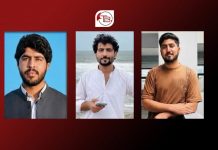
Hospital staff said nine men were brought in with shrapnel wounds. They were named by locals as Jahanzeb Muhammad Shahi, Muhammad Imran Sumalani, Maqbool Ahmed, Zahid, Manzoor Ahmed, Daulat Khan, Arbab, Rafeeq Lehri and Wajid Ali. One injured man has not been identified.
The army’s media wing, Inter-Services Public Relations (ISPR), said troops had carried out an intelligence-based operation against a “terrorist hideout”.
“During the operation, troops effectively engaged the terrorists’ location and, after an intense exchange of fire, fourteen were sent to hell,” the ISPR statement said, using a phrase commonly employed in military press releases.
Balochistan Chief Minister Sarfraz Bugti called the strike “a successful counter-terrorism operation.”
Local witnesses disputed that account, saying the injured were civilians from nearby towns who had travelled to the area for leisure. Rights activists in Quetta described the incident as a possible mistaken targeting and urged an inquiry.
As images of the victims circulated on social media, anger grew, with users demanding accountability and questioning the accuracy of military intelligence operations.
Authorities ordered the suspension of mobile-internet service across Quetta hours later, citing security concerns as criticism over the strike spread online.
The provincial Home Department said in a notice that 3G and 4G service would remain suspended for 24 hours from midnight on Oct. 31 “to maintain peace and security.” The blackout disrupted communications for students, journalists and businesses.
Rights groups have repeatedly criticised such shutdowns in Balochistan, calling them “collective punishment” and a violation of citizens’ rights to information and connectivity.