










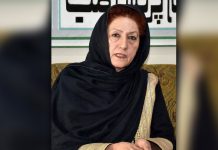










Dr. Naseem Baloch, Chairman of the Baloch National Movement (BNM), has issued a grave warning to the international community, accusing the Pakistani state of escalating its campaign of violence in Balochistan through state-sponsored militias and collaboration with ISIS.
In a powerful statement, Dr. Baloch asserted that the current wave of armed resistance in Balochistan is not a new development, but the continuation of a long-standing struggle for national self-determination. “From the days of resistance against British colonialism to the present-day defiance of Pakistani occupation, the Baloch nation has always defended its land, identity, and dignity,” he said.
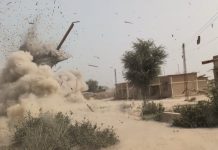
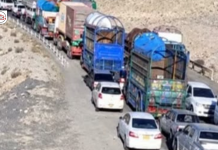
According to the BNM chairman, the intensity and sophistication of Baloch guerrilla operations have grown, posing a significant challenge to the Pakistani military. Sarmachars, or Baloch fighters, now routinely disrupt military convoys and establish checkpoints in remote areas, often operating without any interference from Pakistani forces.
However, Dr. Baloch warned that Pakistan’s response has been marked by brutal retaliation against civilians. “The army’s inability to confront guerrilla resistance has led to a strategy of collective punishment—enforced disappearances, extrajudicial killings, mutilations, and attacks on women and children,” he claimed.
Dr. Baloch condemned the Pakistani military’s continued reliance on covert “death squads”, criminal gangs reportedly backed by the country’s intelligence agencies. He said these groups have long been used to suppress the Baloch national movement through abductions, targeted assassinations, and social destabilization.
What’s more alarming, he noted, is a recent shift to more openly sanctioned paramilitary violence. “Now these same death squad tactics are being rebranded under the banner of ‘peace militias’ operated by the provincial government,” Dr. Baloch said.
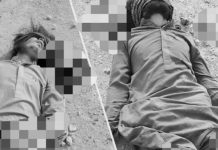
He cited a recent attack in the Rakhni area, allegedly led by Aftab Bugti, brother of Chief Minister Sarfraz Bugti, which resulted in the deaths of four Baloch fighters. “This is clear evidence that the state is relying more heavily on mafias, tribal gangs, and mercenaries to carry out its repression,” Dr. Baloch asserted.
Dr. Baloch accused the Pakistan Army of facilitating ISIS operations in Balochistan. “Training camps for ISIS are being established in various areas, not just to target the Baloch struggle, but to create regional instability,” he warned. “Pakistan is no longer just a state sponsor of terrorism, it is now a direct enabler.”
He called on international institutions to recognize the global implications of these developments. “The establishment of ISIS facilities on Pakistani soil is a threat to regional and international peace. This cannot be ignored.”
Dr. Baloch urged the international community to intervene, citing multiple violations of international law and human rights. He demanded immediate action against Pakistan’s use of state-backed militias and terrorist proxies, a UN-led investigation into the establishment of ISIS camps in Balochistan, and prosecution of war crimes, including abductions, torture, and extrajudicial killings, before the International Criminal Court (ICC).
“The world must decide whether it will stand with the oppressed or with the oppressor,” Dr. Baloch said. “This is not just a regional conflict, it is a test of global conscience.”
He concluded by reaffirming the Baloch National Movement’s commitment to advancing its cause through political resistance, international diplomacy, and advocacy on global platforms.
“Balochistan today is a battlefield for justice and human dignity,” he declared. “Our struggle will continue, on the ground, in the courts, and across the world.”