






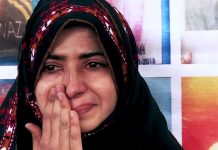











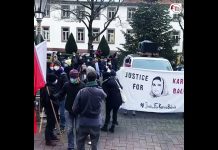




The sentencing of Baloch Yakjehti Committee (BYC) member Gulzadi Baloch to life imprisonment by a court in Quetta in connection with a controversial and disputed murder case has once again raised questions among political and human rights circles in Balochistan regarding judicial proceedings, the conduct of criminal trials, and the use of legal cases against political activists. The Baloch Yakjehti Committee has rejected the verdict, describing it as an injustice, while Gulzadi Baloch’s legal team argues that she was not named as the principal accused in the case for which she was convicted and that the defence was not given a full opportunity to exercise its legal rights.
The defence has further objected that Gulzadi Baloch’s statement was not recorded under Section 342 of the Criminal Procedure Code before the sentence was announced, and that her lawyers were not given the opportunity to present their final arguments. According to the legal team, when they arrived at the court, the judge was not present, and the written order was instead provided to them by the court reader.
Gulzadi Baloch has been in custody since 7 April 2025. After her initial arrest, she was reportedly held incommunicado before her detention was later acknowledged under the Maintenance of Public Order Ordinance (3-MPO). Subsequently, additional charges under the Anti-Terrorism Act and the Pakistan Penal Code (PPC) were added to various cases registered against her. Nearly three months later, she was placed on police remand and was later transferred to prison on judicial remand. Significantly, Gulzadi Baloch was not arrested in the case in which she has now been sentenced to life imprisonment.
The verdict against Gulzadi Baloch comes at a time when several leaders and activists of the Baloch Yakjehti Committee have been facing prolonged arrests, prosecutions, detention and imprisonment. On 22 June 2026, an Anti-Terrorism Court in Quetta sentenced BYC leader Dr Mahrang Baloch and Sibghatullah Shah Ji to 25 years’ imprisonment each.
There is no space for peaceful politics within the state’s policies towards Balochistan. From the outset, the state’s approach has been to suppress every voice raised in Balochistan through force. It is under this policy that enforced disappearances, staged encounters and other coercive measures have been adopted in the region. Even today, anyone who raises their voice for their rights is met with force, arrest and what are presented as judicial proceedings aimed at silencing dissent. What is being done to the leaders of the Baloch Yakjehti Committee today is part of the same continuing pattern.