






















A Baloch rights activist on Saturday rejected remarks by the chief minister of Balochistan alleging that poetry was being used to radicalise young people, saying state policies and repression were responsible for growing resentment among Baloch youth.
The chief minister made the remarks while addressing the Balochistan Assembly a day earlier, where he claimed that Balochi poetry was being used to “radicalise” young people and draw them toward armed groups.
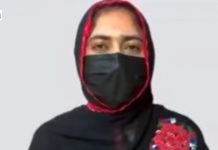
Responding to the statement, Baloch Yakjehti Committee (BYC) leader Sammi Deen Baloch said the government should instead reflect on its policies in Balochistan.
In a sarcastic response to the chief minister’s remarks, she said that if poetry was responsible for radicalising youth, then academies working on the Balochi language should be placed under strict control and books confiscated, because books teach young people to think and “a thinking youth is considered dangerous.”
She added that, according to the same logic, libraries should be shut down and Baloch students removed from colleges and universities because educated youth begin to question state policies.
Ms Baloch said voices were being suppressed and speech silenced because Baloch people had begun to speak about their conditions. She also criticised restrictions on movement, employment and internet access, saying such measures were aimed at preventing people from seeing “state repression.”
She said Baloch individuals are “forcibly disappeared for years,” after which the issue is denied through official narratives.
According to Ms Baloch, the apparent policy of the state was to “ban, restrict, disappear and kill,” while avoiding reflection on policies that have caused many Baloch to lose trust in the state.
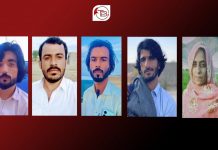
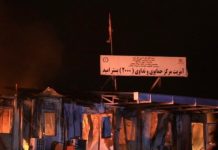
Referring to recent incidents in the region, she also mentioned reports from Panjgur, where 22 young men were allegedly killed in “extrajudicial executions” within a period of about twenty days.
She said Baloch youth were not turning against the state because of poetry or books, but because of years of repression, enforced disappearances, bloodshed and policies aimed at silencing dissent.
“If something is to change, the situation in Balochistan must change,” she said, adding that restrictions on literature and books already exist.