



















A two-part analytical study by the Jamestown Foundation has examined recent developments in the Baloch insurgency, highlighting what it describes as increased operational coordination, the use of drone technology, and an expanding digital media strategy by the Baloch Liberation Army (BLA).
The analysis, published in Terrorism Monitor as Part One and Part Two under the title “Herof-2 Highlights Digital and Drone Advances in Baloch Insurgency”, focuses on a large-scale operation attributed to the BLA, referred to as “Operation Herof Phase II”, which reportedly took place on 31 January 2026 across multiple districts of Balochistan.
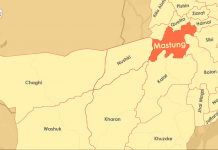
According to the report, the operation involved an estimated 1,000 to 1,200 fighters and around 40 coordinated attacks carried out across at least 12 districts. The study suggests that the scale, simultaneity and geographic spread of the attacks indicate an increased level of planning and organisational capability compared to previous operations.
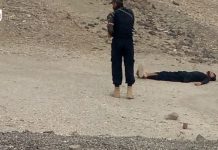
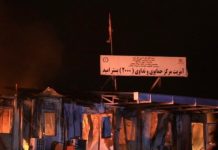
The report states that the attacks targeted a range of locations, including security installations and infrastructure-related sites, and were executed within a relatively short time frame. It notes that such synchronised attacks are often intended to create both operational disruption and psychological impact.
A central focus of the second part of the report is the development of drone capabilities within the insurgency. It refers to a specialised unit identified as the “Qazi Aero Hive Rangers” (QAHR), which it claims is responsible for drone-related operations. The report suggests that drones may have been used for surveillance and reconnaissance purposes, and potentially in support of attacks, although it acknowledges that available evidence is limited and largely derived from militant-linked sources.
In addition to tactical developments, the Jamestown Foundation analysis highlights the growing role of digital media in the insurgency. It states that the BLA’s media wing Hakkal has expanded its use of online platforms, including on X, Telegram and WhatsApp to disseminate real-time updates, videos and statements related to its operations.
The report references coverage and content circulated by regional media outlets such as The Balochistan Post, as well as social media accounts including Bahot Baloch, which it notes were among the platforms amplifying information and visuals related to the operation. It also points to additional online channels and handlers that shared updates, contributing to the wider visibility of the events.
According to the analysis, this digital dissemination strategy allows insurgent groups to shape narratives, project their operational reach and engage audiences beyond the immediate conflict zone. The report argues that such efforts may be facilitated by challenges faced by mainstream media in Pakistan, including restrictions, limited access, and pressures on journalists.
Part One of the report provides broader context to these developments, outlining the evolution of the BLA’s structure, including the formation of specialised units and an apparent shift towards more coordinated and multi-front operations. It also situates “Operation Herof Phase II” within a pattern of increasingly complex attacks in recent years.
The Jamestown Foundation notes that its findings are based on a combination of militant statements, open-source material, media reporting and social media activity. It cautions that many of the claims—particularly those relating to the scale of the operation, internal organisation and the use of drones—are difficult to independently verify.
Pakistani authorities have not issued a public response addressing the specific claims and analysis presented in the report.