
















Former senator and Pashtun nationalist leader Afrasiab Khattak has called on the Pakistani state to explain the growing influence of the Islamic State Khorasan Province (ISIS-K) following threats issued by the group against Baloch communities and pro-independence organisations.
In a statement posted on the social media platform X, Khattak questioned the silence of state institutions regarding the increasing operational space reportedly being enjoyed by ISIS in Pakistan. He highlighted the alarming development that foreign militants are frequently captured with alleged links to foreign intelligence services, and now ISIS has openly declared war on the Baloch Liberation Army (BLA).
Khattak warned that the presence of ISIS-K evokes memories of al-Qaeda’s activities in the region two decades ago and demanded transparency from Pakistan’s intelligence and security apparatus.
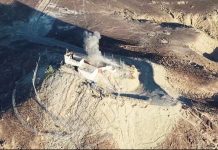
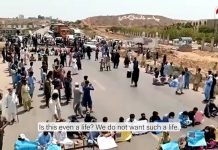
The concerns follow a May 25 statement by ISIS-K accusing Baloch militant groups of attacking its hideouts in Mastung district, Balochistan. In a propaganda video released by the group, ISIS-K not only threatened armed Baloch groups but also targeted human rights activists, such as Mahrang Baloch, the families of missing persons, and participants in peaceful protests.
So far, Baloch armed groups have not issued any official response to the claims or threats made by ISIS-K.
Former U.S. Ambassador to Afghanistan and Special Envoy Zalmay Khalilzad also reacted strongly to the developments. He stated that ISIS-K and Pakistani security forces now appear aligned against Baloch nationalist groups, a shift he described as a dangerous turning point in the region’s power dynamics.
Khalilzad warned the international community that the evolving nexus between extremist organizations and state forces in Balochistan could have grave implications for regional peace and stability.
In recent ISIS-K messages, the group issued threats in Pashto and Farsi, urging its supporters in Balochistan to take aggressive action against Baloch political and nationalist organisations. The group specifically called for attacks on rallies organised by the Baloch Yakjehti Committee.
These threats have triggered strong condemnation from Baloch political organisations and human rights activists, who accuse the Pakistani state of using extremist groups as proxies to suppress legitimate political resistance and civil rights movements.
Human rights groups have urged international bodies to demand accountability from Pakistan and ensure protection for vulnerable communities in Balochistan.