

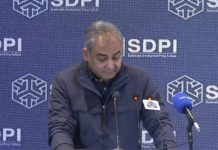



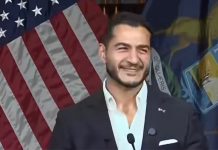


Pakistan’s Interior Minister Mohsin Naqvi called on social media platforms on Tuesday to act against accounts linked to the Baloch Liberation Army (BLA), accusing the group of using them to raise funds and publicise its activities.
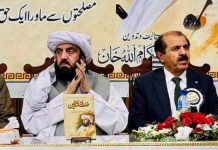
He was speaking at a seminar titled “Social Media Platforms and the Post-Truth Era”, organised by the Sustainable Development Policy Institute (SDPI) in Islamabad.
Naqvi said the BLA was a banned organisation, yet “many of their officials are still using these platforms”.
“Who allows them to move around and use all these platforms?” he asked. “Someone needs to stop [them]. This is our request.”
Naqvi said criticism of the government must remain possible, though he identified terrorism, hate speech, incitement to violence and child sexual exploitation as four “red lines” for online content.
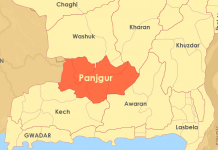
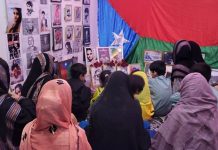
Baloch social media activists, however, accused the state of trying to silence people who speak out against enforced disappearances, extrajudicial actions and other human rights violations in Balochistan.
They argued that support for the BLA, an armed group seeking Balochistan’s independence, could not be dismissed as “propaganda” or addressed by shutting down accounts. Understanding the situation, they added, required serious consideration of the Baloch people’s political grievances and the conditions behind that support.
Restrictions on Freedom of Expression
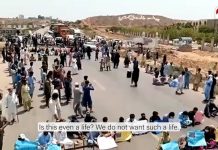
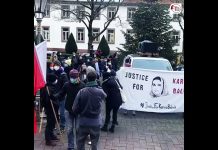
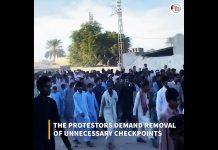
Naqvi’s remarks come amid longstanding concerns over restrictions on freedom of expression in Balochistan, where rights organisations have documented arrests of peaceful protesters, pressure on journalists and repeated internet shutdowns.
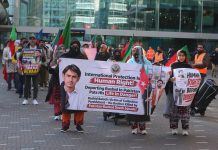
Amnesty International said in January 2024 that participants in the Baloch Long March in Islamabad, most of them relatives of forcibly disappeared people, had faced intimidation and arbitrary arrests while demanding justice for their loved ones.
It also highlighted the detention of journalist Fatima Razzak, who was questioned over her coverage, asked to surrender her electronic devices and threatened with consequences for her reporting.
“The media is actively being discouraged and there is paranoia among journalists,” Razzak told Amnesty. “I have been forced to self-censor.”
The organisation condemned further arrests of Baloch activists in Quetta and Karachi in March 2025 and demanded their release and an investigation into the use of force against protesters.
In a joint letter to Prime Minister Shehbaz Sharif that May, Amnesty and four other rights organisations condemned the “harassment and arbitrary detention” of Baloch human rights defenders, particularly those who spoke out against enforced disappearances and other alleged state abuses.
The Pakistan Press Foundation recorded 12 incidents involving journalists and media workers in Balochistan in the first nine months of 2023, including six arrests and six cases of harassment.
A December 2025 report by Freedom Network said journalists faced threats and violence from security agencies, political and tribal figures and other actors. National broadcasters and newspapers were reducing their presence in Quetta, while coverage outside the city remained sparse, it said.
“The cumulative effect is systematic under-coverage of public-interest issues, heightened self-censorship, and a steady erosion of citizens’ right to know,” the report said.