





















Amma Hoori’s entire life was lived under the shadow of state repression. She and her family were among the thousands of Baloch who were displaced during the 1973–77 military operation in Balochistan, carried out under the government of Zulfikar Ali Bhutto in the areas of Kohlu, Kahan and Sibi. As a result of the operation, they were forced to migrate to Afghanistan, where they remained in exile for several years. Following the period of General Zia-ul-Haq’s military rule, Amma Hoori’s family, along with members of the Marri tribe, returned to Balochistan in the 1990s. They settled in Quetta, establishing residence in New Kahan at the foothills of Koh-e-Chiltan.
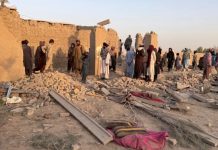
Since the onset of the Baloch insurgency in the twenty-first century, residents of New Kahan have faced continued state action. On 11 January 2000, following the arrest of Baloch leader Khair Bakhsh Marri, more than 150 residents of New Kahan were reportedly detained and subjected to enforced disappearance. More than two decades later, residents continue to report forced displacement, collective punishment, enforced disappearances and custodial killings.
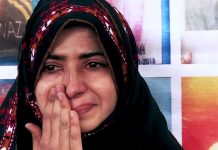
Amma Hoori’s life was marked by displacement, the experience of state coercion, and a sustained campaign against enforced disappearances. Seeking justice, she repeatedly appealed to state institutions for the recovery of her son. She endured prolonged hardship while waiting for his return and passed away still holding that hope. Her elderly voice, raised against enforced disappearances, has become part of the historical record of this struggle.
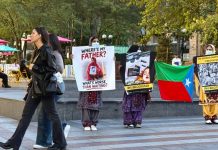
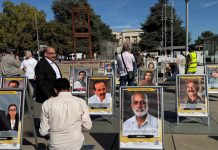
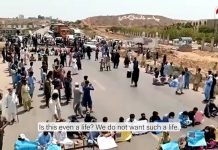
Among the thousands of individuals reported missing from Balochistan is Amma Hoori’s son, Gul Muhammad Marri, who was allegedly subjected to enforced disappearance in 2012. Even at the age of 80, Amma Hoori participated in sit-ins in Islamabad and protest movements in Quetta calling for the recovery of missing persons. Many mothers across Balochistan continue similar efforts, while the state has rejected allegations regarding the practice of enforced disappearances.
Hundreds of mothers in Balochistan are described as bearing the consequences of state policies and collective punishment. Amma Hoori waited years for her son’s return and died carrying that grief. The suffering of mothers such as her has become embedded in collective political consciousness and continues to shape perceptions of the relationship between the Baloch population and the Pakistani state.