









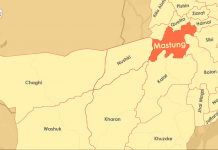









At least nine men have been forcibly disappeared in separate operations carried out by Pakistani forces in the areas of Kolwah and Noshki, according to local sources and families of the missing individuals.
In Kolwah, two brothers were taken into custody in separate incidents days apart. Sources said 18-year-old Ejaz Baloch s/o Abdul Ghafoor was detained from his home in the Ashal area around 2 a.m. on February 12 during a late-night raid. Three days later, on the night of February 15, his elder brother Nawaz Baloch was allegedly removed from a local passenger vehicle while traveling from Turbat to Kolwah and taken to an undisclosed location. Family members say both brothers remain missing and authorities have provided no information regarding their whereabouts.
Seven additional individuals from Noshki were reportedly taken into custody at different times during house raids and detentions carried out over the past weeks. Among them is Abdul Qadeer Baloch s/o Zulfiqar Baloch and a diesel pump operator from Qaziabad, who was detained on January 30 at approximately 3 p.m. from Quetta’s Liaquat Park while visiting the city for business purposes. Relatives said no legal notice or explanation was provided following his detention.
Local sources further reported that Zafarullah s/o Umar Shah and a resident of Qazi Abad, along with Mahmood s/o Haji Noor Ahmad from Killi Badal Karez were taken during home raids on February 6. On February 11, two students – Abdul Haq s/o Ghulam Nabi, and Kamran Baloch s/o Haji Muhammad Hassan, both residents of Killi Jamal Abad – were allegedly detained from their homes during evening operations.
The following night, February 12, Shah Zaman and Naseer Ahmed, both sons of Abdullah and residents of Killi Jamal Abad, were also taken into custody during separate raids, according to witnesses. Families say all seven men remain unaccounted for, with no official confirmation of their detention locations.
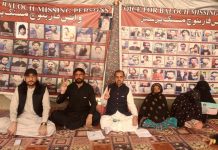
Relatives and local residents have called on authorities to disclose the whereabouts of the missing individuals and present them before courts if any charges exist, warning that repeated detentions without legal process continue to deepen fear and uncertainty across affected communities.