






















By Sangeen Baluch
Zarina and Zirbar—two souls bound by marriage, affection, and shared dreams—were first known as lovers. Yet history remembers them not merely for their union of hearts, but for the courage with which they transformed love into resistance. Their relationship did not end at companionship; it evolved into a shared decision to fight for their homeland. From lovers to fighters, they chose a path carved with sacrifice, endurance, and unwavering resolve.
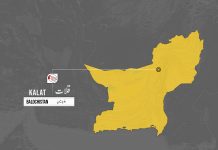
Both belonged to Buleda. Whether they were relatives or not remained irrelevant, because blood relations dissolved in the greater identity they embraced: defenders of their land. In the face of oppression, personal ties lost their weight, and the homeland became their only kin. The soil they walked upon was not ordinary earth—it was memory, pain, and dream breathing together. To belong to such land is not to live upon it, but to answer its call.
At first glance, their choice appears irrational—almost insane. Why would two people abandon a peaceful life for mountains, hunger, and uncertainty? Why would they choose a struggle whose victory they might never witness? Yet this question misunderstands the nature of their love. Zarina and Zirbar were not fighting for a promised tomorrow; they were fighting to give meaning to life itself—to turn sorrow into thought and thought into resistance.
In Balochistan, sacrifice does not end in silence; it transforms. Each fallen life becomes a question, and each question becomes a weapon. Like the flowers that bloom after every loss—unusual in color, rich in meaning—their sacrifice did not mark an end, but a beginning. These flowers are not symbols of mourning; they are declarations of consciousness. They rise from the soil as reminders that pain, when understood, becomes revolution.
The love Zarina and Zirbar shared did not weaken them—it strengthened them. Their bond was proof that love and loyalty to the homeland are not opposing forces. In a world that often portrays love as a distraction, they revealed it as a source of courage. Their unity turned fear into resolve, and their companionship transformed endurance into purpose. They stood side by side not only as partners, but as equals in resistance.
Zarina’s presence carried a deeper meaning. In Balochistan, women are not shadows behind history; they are its authors. As mothers, sisters, teachers, and fighters, they sow the seeds of awareness long before the battlefield is reached. Zarina belonged to that lineage of women who refuse silence—who understand that if questions are not taught, future generations inherit only pain, not determination. Her resistance lived not only in action, but in consciousness.
Even in death, Zarina and Zirbar stood together. Their end arrived with dignity, sealing their lives with purpose. What greater testament to love exists than to live side by side and fall for the same cause? Their blood, like countless others, was absorbed by the land—and from that soil, thought bloomed. Thought that teaches the youth that defeat is not falling, but surrender; that resistance is not forged by weapons alone, but by words, memory, culture, and truth.
Their deviation from ordinary life carved a new path—one where serving the homeland rose above tradition, fear, and even life itself. The soul, the most precious possession of any human being, was not preserved; it was gifted. Gifted to the land, to dignity, to the collective consciousness of a nation that refuses erasure.
In the end, Zarina and Zirbar did not disappear into death; they dissolved into meaning. Their lives became part of a larger consciousness that no weapon can silence and no power can erase. What was given to the soil did not rot—it transformed. From that sacrifice emerged questions, and from those questions rose awareness. History does not advance only through survival; it advances through those who choose to give their existence a direction beyond the self.
Their story teaches that love reaches its highest form when it frees itself from possession and merges with responsibility. To love a person is human; to love a people, a land, and a future one may never witness is philosophical. Zarina and Zirbar understood that the body is temporary, but thought is durable; lives end, but meanings echo. As long as the land remembers, as long as questions are asked, and as long as consciousness refuses silence, their sacrifice remains unfinished—alive in every step taken with awareness.
Disclaimer: The views and opinions expressed in this article are those of the author and do not necessarily reflect the official policy or position of The Balochistan Post or any of its editors.