




















Iran has reopened its airspace after a closure of nearly five hours imposed amid fears of possible military action, disrupting flights across the region.
According to a notice published on the US Federal Aviation Administration (FAA) website, Iran closed its airspace at around 22:15 GMT on Wednesday to all aircraft except international arrivals and departures granted special permission.
The restriction was lifted shortly before 03:00 GMT, flight-tracking service Flightradar24 showed, with several Iranian flights among the first to resume operations.
The temporary shutdown came amid heightened tensions following threats by US President Donald Trump to attack Iran in response to Tehran’s deadly crackdown on anti-government protests.
Rights groups say at least 3,428 protesters have been killed in recent weeks.
Trump says Iran halted killings and executions
Speaking at the White House on Wednesday, Trump said he had been told Iran had stopped killing protesters and would not carry out planned executions. He said he received assurances from “very important sources on the other side”, but added he would “watch it and see” before deciding on further action.
Iran’s Foreign Minister Abbas Araghchi later echoed Trump’s remarks, saying there were no plans to execute protesters.
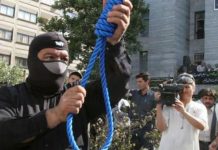
In an interview with Fox News, Araghchi said there was no plan to hang anyone and repeated claims that foreign “terrorist elements” were behind violence during the protests.
He also alleged that some deaths were meant to draw the United States into the conflict, referring to what he described as an “Israeli plan”.
Trump questions opposition figure’s support
Trump also said he doubted whether Iran’s opposition figure Reza Pahlavi would have enough support to lead the country if its ruling system collapsed.
“He seems very nice, but I don’t know how he’d play within his own country,” Trump said in an interview with Reuters. “And we really aren’t up to that point yet. I don’t know whether or not his country would accept his leadership, and certainly if they would, that would be fine with me.”
Born in Tehran in 1960, Pahlavi was named crown prince as a child, but his prospects of ruling ended with the 1979 Islamic Revolution.
Pahlavi has urged protesters and members of Iran’s armed forces to oppose Iran’s ruling system, saying growing international attention is now translating into action.