
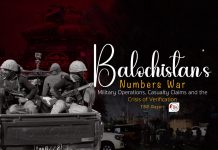








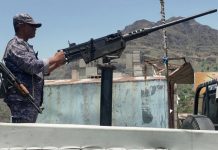


On 14 December, during a press briefing at the Central Police Office in Quetta, Balochistan’s Additional Chief Secretary for Home and Tribal Affairs, Hamza Shafqat, and DIG Counter-Terrorism Department, Aitzaz Ahmed Goraya, stated that 78,000 intelligence-based military operations were carried out across Balochistan during the year 2025. They described the designation of the Baloch Liberation Army and the Majeed Brigade as terrorist organisations by the US State Department as a major achievement of the Government of Pakistan, claiming that it reflected the correctness of its security policy.
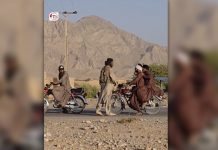
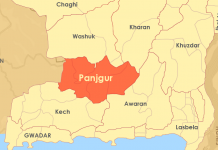
In the same briefing, Hamza Shafqat and Aitzaz Ahmed Goraya also claimed that, as a result of improved strategies by the security forces and other law-enforcement agencies, attacks by pro-independence armed organisations had declined during the current year. However, the very next day, more than one hundred armed fighters of the Baloch Liberation Army took control of Panjgur city and accomplished their objectives. This made it evident that official statements are not aligned with the ground realities in Balochistan and are merely repeated to reinforce the state narrative.
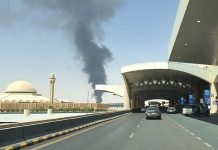
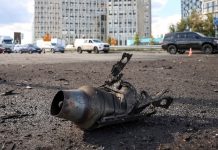
During 2025, Baloch armed organisations carried out numerous major and deadly attacks on Pakistan’s economic and military targets. In January, a suicide attack by the Majeed Brigade targeted a convoy of Pakistan military buses near Turbat. In February, the Baloch Liberation Army took control of Zehri town, setting fire to the Levies police station, a bank and a NADRA office. In March, the hijacking of the Jaffar Express was an extraordinary incident, in which the Pakistan military suffered casualties along with a historic military humiliation.
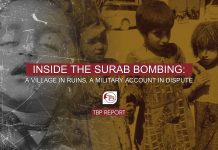
In the same month, an attack took place in Nushki, while in September, fighters of the Majeed Brigade carried out a deadly assault on a Pakistan military convoy in the Dasht area. In May, the Baloch Liberation Army took control of Surab city, seized police weapons and maintained its presence in this strategically important town for several hours, posing a serious challenge to the writ of the state.
In August, the Zehri tehsil remained under the control of fighters of the Baloch Raji Aajoi Sangar for several days, while across Balochistan the Baloch Raji Aajoi Sangar carried out more than 150 attacks on the Pakistan military. In the final months of the year, the Saddo Operational Battalion of the Balochistan Liberation Front attacked the Frontier Corps brigade headquarters in Nokundi, during which foreign engineers associated with Saindak and Reko Diq were also targeted.
These deadly attacks on the Pakistan military throughout the year negate the government’s claims and highlight the growing operational capabilities of Baloch armed organisations. The picture of Balochistan presented in the Pakistani media does not correspond with the realities on the ground, while the actions of Baloch resistance fighters have not only intensified but also display clear innovation in the selection of targets and operational strategy.