

















Pakistan’s Counter-Terrorism Department (CTD) has detained eight individuals allegedly linked to the recent Mastung suicide blast.
In a media statement, the CTD spokesperson revealed that investigations are ongoing in coordination with other agencies, and they are pursuing leads from the detainees. However, the identities of the detained individuals remain undisclosed, and the identity of the suicide bomber remains unknown, with forensic and DNA reports still awaited.
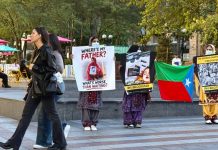
The decision by the CTD to withhold detainee identities has caused unrest among Baloch circles. There’s growing concern that Baloch political activists may be among those detained instead of the actual culprits.
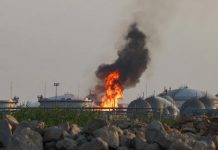
The devastating blast in Mastung, along with a separate incident in a Hangu mosque, Khyber Pakhtunkhwa, on September 29, 2023, claimed at least 55 lives, including Mastung’s Deputy Superintendent of Police, Mohammad Nawaz Gishkori.
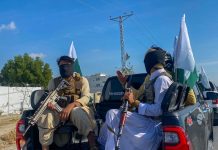
During a subsequent visit to Quetta, Chief of the Pakistan Army, General Syed Asim Munir, expressed commitment to ongoing counter-terrorism operations, hinting at potential foreign influences behind the attacks. Prior to this, Federal Interior Minister, Sarfaraz Bugti, pledged continued action against “terrorist” sanctuaries.
Notably, a few weeks prior, another explosion close to the Quetta-Karachi highway in the same region injured 11 individuals, including the prominent religious leader, Hafiz Hamdullah.
It’s worth mentioning that since 1948, Balochistan has experienced multiple insurgencies. The current wave, considered the fifth, is believed to be the most widespread and intense. According to Baloch nationalists, this wave has the entirety of Balochistan under its grasp – it’s more complex, inclusive, and overarching than its predecessors.
Critics argue that Pakistani security forces, in their bid to counter this insurgent wave, have collaborated with religious extremist factions and fostered local militias known as “death squads”.
This perspective aligns with broader sentiments in Balochistan, where many believe the authorities have strategically enabled the rise of Islamic fundamentalism to offset Baloch nationalism. Yet, critics contend this tactic has backfired. The Islamist groups, once envisioned as strategic assets, have spiraled out of control, introducing a new dimension of challenge to the region’s already-complex landscape.