









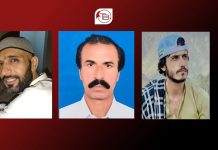


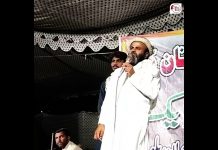



The Baloch Yakjehti Committee (BYC) has said the killing of Sessions Judge Abdul Hakeem Kakar in Mastung, firing on a passenger bus in Surab and the curfew in Khadkocha are not isolated incidents, but reflect what it described as the worsening reality of state repression and violence in Balochistan.
In a statement, the BYC said incidents of violence and repression were continuing to increase across Balochistan, adding that the three developments were “not merely coincidental or accidental events, but were driven by state policy and conduct”.
The BYC said Abdul Hakeem Kakar, while serving as a judge, had heard sensitive cases, particularly those related to enforced disappearances, and had questioned relevant institutions during judicial proceedings.
His killing in broad daylight, the BYC said, was part of a decades-long pattern of targeting capable judges and lawyers in Balochistan.
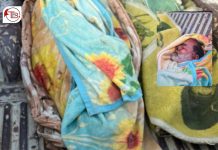
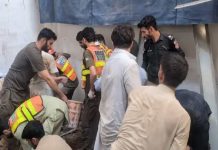
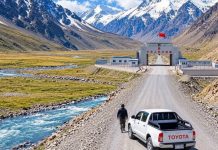
The committee also referred to the firing on a passenger bus in Surab, saying ordinary passengers, including women and children, were killed in the attack.
“Such successive incidents reflect the reality in Balochistan and show the extent to which conditions have deteriorated as a result of the state’s policy of Baloch genocide, where neither passengers nor judges are safe, and ordinary citizens are not safe even in their homes,” the statement said.
The BYC said the curfew imposed in Khadkocha, Mastung, had continued for three consecutive days and caused severe hardship to ordinary residents.
It said strict security restrictions had long become routine in several parts of Balochistan, where people in some areas are required to obtain permission from authorities to travel to and from their own villages.
The statement said restrictions in some areas had also extended to social life, with residents required to seek permission for weddings, condolence gatherings and other events.
“The state’s policy of Baloch genocide, along with the use of violence and force, has made the lives of ordinary people in Balochistan miserable and left no citizen safe,” the statement said.
“In view of the current situation in Balochistan, the United Nations and international human rights organisations must intervene immediately and prevent the state from committing Baloch genocide and using violence and force,” it added.