















Human rights groups in Balochistan have raised serious concerns over a fresh case of enforced disappearance in Quetta and the reported killing of a previously missing labourer in Panjgur, describing both incidents as part of a continuing pattern of abuses.
Voice for Baloch Missing Persons, a group documenting cases of enforced disappearances, said families from Quetta approached the organisation to report that Pakistani forces had taken a 15-year-old student into custody and shifted him to an undisclosed location.
According to the group, the boy, identified as Hasnain Baloch s/o Babul Jan, was detained on February 3 from the Killi Asgharabad area near Sariab Customs in Quetta. The organisation said Hasnain is a student and was taken away by security personnel, after which his whereabouts remain unknown.
Voice for Baloch Missing Persons has called on the authorities and security officials to immediately produce the student and ensure his safe recovery, warning that the prolonged disappearance of minors causes severe distress to families and raises serious legal and human rights questions.
In a separate development, the Baloch Yakjehti Committee said that a man who had earlier been forcibly disappeared was later killed, with his body recovered from Panjgur.
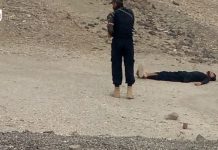
In a statement, the committee said Jasim s/o Muhammad Adam, a daily-wage labourer from Panjgur, had previously been taken away and remained missing for several days. It said his mutilated body was later found in the Washbod area of Panjgur.
According to the committee, the body bore multiple gunshot wounds and signs of torture, which it said indicated that Jasim was killed while in custody. The group alleged that the killing pointed to the involvement of armed groups, “death squads”, operating with the backing of the Pakistani military.
The committee said Jasim belonged to a working-class family and earned his livelihood through daily labour. It described his killing as part of what it called a growing trend in which enforced disappearances are followed by extrajudicial killings, affecting Baloch civilians from various walks of life, including labourers, students, teachers and professionals.
Rights activists said the incident has intensified fear, insecurity and collective trauma among local communities. They argue that continued allegations of state-backed violence and the absence of accountability are further destabilising society and highlighting what they describe as a deeply entrenched culture of impunity for security forces in Balochistan.