
















Paank, the human rights department of the Baloch National Movement (BNM), has released its annual human rights report, alleging widespread abuses in Balochistan during 2025, including 225 extrajudicial killings and 1,355 enforced disappearances attributed to Pakistani state institutions.
In its 15-page report, Paank states that the figures reflect what it describes as “systematic, state-level repression” against the Baloch population. The report alleges that the Pakistani military, intelligence agencies, and the Frontier Corps have targeted students, political activists, and local intellectuals.
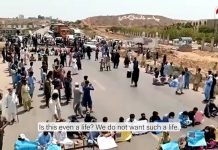
According to the report, drone strikes, gunship helicopter operations, and what it calls a “kill and dump” policy have become routine. It further alleges that anti-terrorism laws and the Maintenance of Public Order (3MPO) ordinance have been used to criminalize peaceful civic movements, including the Baloch Yakjehti Committee (BYC). The report characterizes these actions as part of a broader policy of collective punishment against the Baloch population.
Paank claims that state repression intensified in 2025, with the use of what it describes as full-scale military force against civilians, including aerial bombardment. The report states that 785 enforced disappearances were confirmed in the first half of 2025 alone, attributing the spike to efforts to suppress growing peaceful political activity and silence emerging leadership.
Paank aruges that while the number of reported disappearances declined in the latter half of the year, the report alleges an increase in extrajudicial killings. It states that 407 forcibly disappeared individuals were later released after being held in what it describes as secret detention and torture cells. According to Paank, many of those released suffered severe physical and psychological trauma.
The report further alleges that students and young professionals have been specifically targeted as part of a strategy to dismantle Baloch society’s intellectual and political leadership.
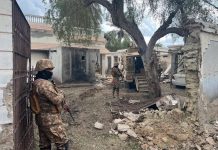
Among the incidents highlighted in the report are a drone strike in Buleda on October 29, in which four young men were killed while on a picnic despite having military authorization; an aerial bombardment in Zehri on September 17 that reportedly killed three civilians and injured a child; and an October 28 attack in the Chiltan mountainous area that allegedly left several teenagers seriously injured. Paank says these incidents demonstrate repeated violations of international human rights law.
The report names several individuals among the 225 alleged victims of extrajudicial killings in 2025, including Zeeshan Zaheer, who it says was forcibly disappeared in June and later killed after torture; Usman Maqbool, allegedly killed two days after being disappeared; and Khalil Ahmed, who the report states was killed in December despite being a police officer.
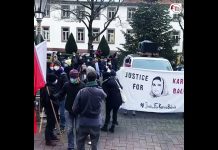
Paank also alleges extensive misuse of legal frameworks to suppress dissent. It states that prominent BYC activists, including Dr. Mahrang Baloch, Sibghatullah Shah Ji, Beebarg Baloch, Beebow Baloch, and Gulzadi Baloch, were detained under the 3MPO ordinance and the Anti-Terrorism Act. According to the report, several detentions exceeded the 90-day legal limit under 3MPO. Additionally, it claims that 32 activists were placed on the Fourth Schedule of the Anti-Terrorism Act, restricting their movement.
The report further alleges that authorities accelerated measures to curtail civil rights, including blocking national identity cards, suspending SIM cards, imposing travel bans, and freezing bank accounts.
Paank’s report also raises concerns about economic projects in Balochistan, arguing that despite the province’s natural resource wealth, the local population remains deprived. It cites projects such as Reko Diq, Saindak, and Gwadar Port as examples of resource extraction that, it alleges, benefit the state while local communities face military pressure and repression for demanding basic rights.
The report references concerns raised by the European Union’s GSP+ monitoring mission in 2025 regarding enforced disappearances, restrictions on freedom of expression, and alleged misuse of anti-terrorism legislation, stating that these concerns corroborate the deteriorating human rights situation in Balochistan.
In its recommendations, Paank calls for an immediate end to enforced disappearances, a halt to extrajudicial killings, the cessation of aerial attacks on civilians, the repeal of what it describes as repressive laws, and the release of political prisoners. The report concludes by warning that without international intervention, human rights violations in Balochistan will continue and could set what it calls a dangerous precedent for authoritarian practices globally.