


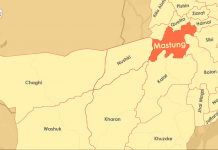
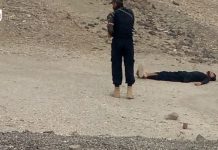
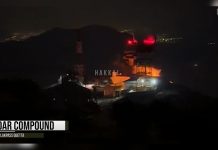






The morning of 31 January began with suicide attacks on key Pakistani military targets across various cities in Balochistan, along with intense clashes between Baloch fighters and the Pakistani military and the Counter Terrorism Department (CTD). In several cities—including the capital Quetta, Mastung, Dalbandin, Kalat, Gwadar, Pasni, Tump and Noshki—resistance fighters simultaneously took control of areas and engaged in direct combat with Pakistani forces. The scope of these coordinated and suicide attacks extended across Balochistan’s strategic and critical centres. The Baloch Liberation Army (BLA) claimed responsibility for the attacks, describing them as the second phase of Operation Herof.
The second phase of Operation Herof represents the largest and most lethal assault in the history of the armed Baloch national liberation movement. It involved fighters from the BLA’s suicide unit, the Majeed Brigade, along with the STOS and the intelligence wing ZIRAB. During these coordinated attacks, BLA fighters seized control in twelve cities, including Quetta, carried out deadly strikes on military targets, and took control of multiple locations along the Coastal Highway and the Karachi–Quetta highway, effectively dismantling the state’s writ in those areas.
This is the first operation of such scale across Balochistan in which thousands of fighters simultaneously targeted the CTD, the military, and Pakistani intelligence agencies. Police stations were set ablaze; military and police personnel were detained; and weapons were seized from police stations and military camps. Suicide attackers of the Majeed Brigade targeted the Red Zone in Quetta, the military’s central camp in Noshki, the Coast Guard camp in Gwadar, the Pakistan Navy base in Pasni, the Frontier Corps camp in Dalbandin, the Commandant Mess in Kalat, and the military camps at Pullabad and Rodban in Tump.
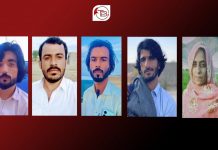
Operation Herof is not only the most lethal coordinated assault in the Baloch war to date, but it also marks the first time in the conflict between Pakistan and Baloch organisations that Baloch women have taken part in direct combat on the battlefield. This decision by the Baloch Liberation Army is set to have far-reaching consequences for the Baloch struggle for independence.
The series of coordinated attacks under Operation Herof continues across Balochistan. However, the intensity of its second phase makes it clear that this initiative will play a pivotal role in reshaping the landscape of the Baloch insurgency and introducing new dynamics into the armed front of the war for liberation.