











Kurdish and international solidarity groups have issued a global call for action from 25 January to 1 February in support of Rojava, saying Kurdish regions in northern Syria are facing the most serious threat to their autonomous system of governance in more than a decade.
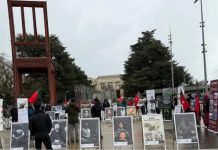
In a joint statement titled “Global Call for Solidarity: Days of Action in Defense of Rojava,” issued by Women Defend Rojava and the campaign network RiseUp4Rojava, the groups urged supporters worldwide to organize demonstrations, public events and media campaigns to raise awareness of the situation and pressure governments to respond.
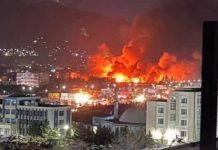
The statement said Kurdish and Arab areas governed by the Autonomous Administration of North and East Syria have been under “sustained attacks” since 6 January, which the groups say pose the most serious existential threat to Kurdish society and the autonomous political structures developed over the past 14 years.
The organizers alleged that the military offensive is being coordinated by “al-Sharaa’s Islamist regime” in Damascus in collaboration with Turkey’s defence and foreign ministers and jihadist militias. They said this “war of extermination” has been “greenlighted by western governments.”
‘Existential threat’ and ISIS resurgence
The statement said Rojava faces immediate danger from both HTS and ISIS, with the attacks endangering what the organizers describe as the achievements of the Women’s Revolution, including local democracy and equal rights for ethnic and religious communities.
The groups said the objective of the offensive was to force the region’s Democratic Autonomous Administration “to choose between total surrender and complete physical annihilation,” arguing that the aim was not only to destroy Kurdish society’s gains but “the idea and project of a democratic Syria and a democratic Middle East.”
They warned of a renewed ISIS resurgence, alleging that thousands of fighters had been freed by government-aligned militias and were committing massacres across Syria. Kobanê, the site of historic resistance against ISIS, was described as being “under attack and total siege” by the same forces “operating under different banners.” ISIS, they said, had been emboldened and once again posed a threat “to societies worldwide.”
‘Global solidarity needed’
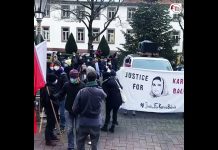
The statement said large numbers of people across Kurdistan and in other countries had already begun mobilizing in support of Rojava, including women and youth groups. Social movements, trade unions, civil society organizations and academic networks had organized solidarity actions on multiple continents.
The appeal called for renewed international mobilization, recalling that global solidarity in 2014 had contributed to the defeat of ISIS in Kobanê. The organizers said the current situation required a similar response to defend “the revolution and human dignity.”
They urged supporters to organise actions condemning the attacks and highlighting “the imminent threat of ethnic cleansing by the Syrian transitional government, Turkey and allied militias.” They also called for efforts to counter official narratives in the media and expose Western support for the offensive.
The groups said national governments and international institutions should be held responsible for their alleged complicity in war crimes. They further demanded political and legal recognition for the DAANES to push Damascus toward a decentralized solution that guarantees the rights of Alawites, Druze, Yazidis, Assyrians, Armenians and other ethnic and religious communities in a future democratic Syria.