





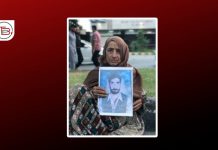
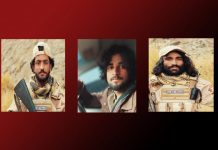
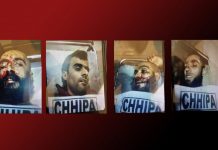
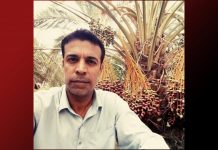

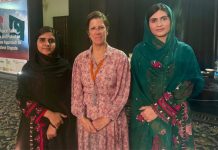



The United Nations has expressed serious concern over the inclusion of Baloch human rights activists Dr. Sabiha Baloch, Dr. Shali Baloch, and Sammi Din Baloch on Pakistan’s anti-terrorism Fourth Schedule watchlist.
Mary Lawler, UN Special Rapporteur on the protection of human rights defenders, stated that listing these individuals imposes severe restrictions on their work, including limitations on travel, financial transactions, and participation in public events, which directly undermines their ability to carry out human rights advocacy. “These measures are effectively a violation of their fundamental rights and an intimidation tactic against human rights defenders,” she said.
Lawler reminded that in February 2025, UN experts had already warned Pakistan that the procedures for adding or removing names from the Fourth Schedule fall short of international human rights standards. She emphasized that the lack of transparency and legal safeguards in the process can lead to arbitrary targeting of activists and civil society members.
The move has raised concerns among local and international human rights organizations, who view it as part of a broader trend of repression against human rights defenders, journalists, and activists in Balochistan.
Lawler urged the Pakistani government to engage in dialogue with human rights defenders, ensure their protection, and review the inclusion of names on the watchlist to align with international law. She stressed that criminalizing peaceful activism exacerbates human rights violations and stifles democratic participation.
The Fourth Schedule, under Pakistan’s anti-terrorism framework, allows authorities to impose restrictions on individuals suspected of supporting terrorism. Critics argue that its application has often been opaque, with insufficient oversight and avenues for appeal, disproportionately affecting minority communities and human rights workers.