




























The family of Ameer Bakhsh Baloch, who has been missing for over a decade, held a press conference at the Karachi Press Club on Monday, calling on the state to disclose his whereabouts or present him in court if any charges exist.
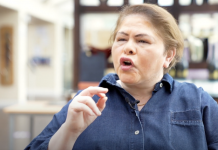
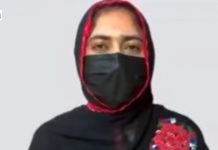
Speaking alongside central Baloch Yakjehti Committee (BYC) leader Sammi Deen Baloch, Ameer Bakhsh’s daughter, Sadaf Baloch, said her father was “forcibly disappeared” by security forces on 4 August 2014 from the Ambi Bazaar Kulanch area in Gwadar.
“Eleven years have passed, and we still do not know where he is or even if he is alive,” she said. “It is not just the disappearance of a person, it is the continuous torment, psychological trauma, and social death of the entire family.”
Sadaf Baloch said her family had exhausted all legal and peaceful avenues to find her father, including approaching courts, government offices, and human rights bodies, as well as joining demonstrations. “Every path we followed ended in silence and despair,” she said.
She described her mother’s experience over the past decade as one of “living with the unanswered question of whether she is a widow or the wife of a disappeared man.”
“We can neither declare him dead nor know if he is alive. Our lives are trapped in a state of constant uncertainty. When will this suffering end?”
BYC’s Sammi Deen Baloch condemned the continued practice of enforced disappearances in Balochistan, describing it as “rubbing salt in the wounds” of families already grappling with decades of conflict.
“If Ameer Bakhsh Baloch has committed a crime, bring him before a court of law,” she said. “But what law or human right permits detaining someone without charge or trial for eleven years?”
Appealing to the government, judiciary, law enforcement agencies, and human rights organizations, Sadaf Baloch said, “This is not the demand of any political movement. This is the plea of a daughter who has lived each day and died each night for eleven years waiting for her father.”
In her closing remarks to journalists, Sammi Deen Baloch said that Baloch women “are no longer just protestors but have become leaders of resistance.” She added that the struggle would continue until their loved ones receive justice.