







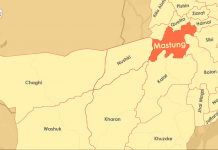


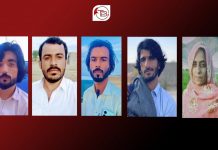








The wave of enforced disappearances in Balochistan continues, with reports that Pakistani forces have detained six Baloch men in separate incidents across Pasni, Turbat, Karachi, Quetta, and Kech.
According to local sources, two young men from Pasni, a coastal town in Balochistan’s Gwadar district, have been forcibly disappeared.They have been identified as Shaukat Rehmat and Gohar Bakhsh. Both worked as barbers in the same shop. Pakistani forces reportedly detained them, and their whereabouts remain unknown.
In Turbat, the administrative centre of Kech district, Pakistani forces raided the home of Nasir Baloch, the Central Finance Secretary of the Baloch National Movement. During the raid, they detained his nephew, Adnan, son of Liaquat. Sources said the forces searched the house and allegedly subjected women and children to violence. Adnan’s whereabouts remain unknown.
In the Tump Malikabad area of Kech, Pakistani forces detained another young man on Saturday night. The individual has been identified as Inayatullah, son of Abdullah. Sources said that two days before his detention, men believed to be part of a “state-backed armed group”—commonly referred to as a “death squad”—had thrown grenades at his home. Inayatullah has not been seen since his detention.
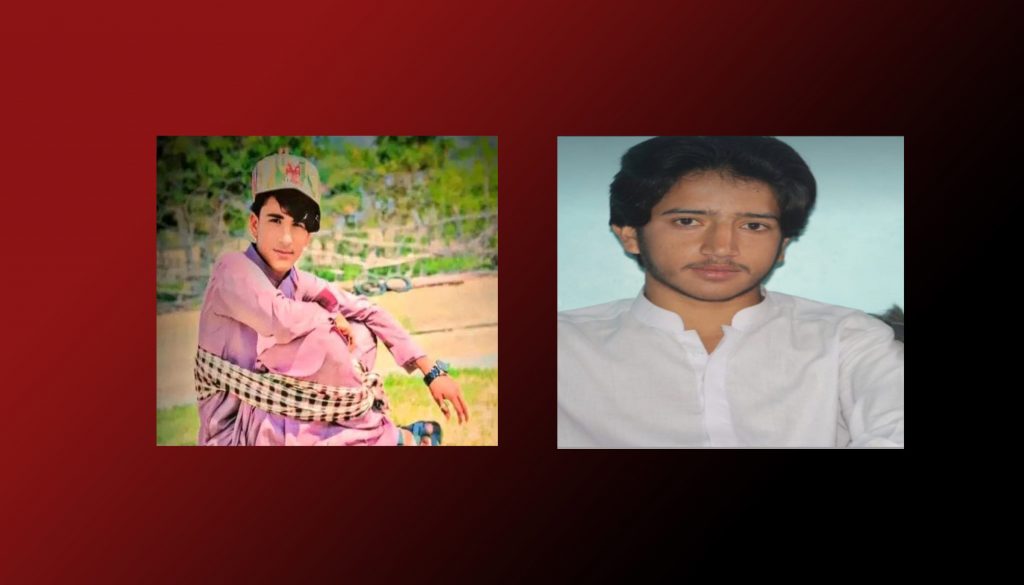
In Quetta’s Sariab neighbourhood, Counter-Terrorism Department (CTD) personnel raided the home of Umair Langove, son of Khurshid, at around 2:00 AM on the night of 21 May. Umair, a sixth-grade student, was taken into custody and remains missing. His family has demanded his immediate return.
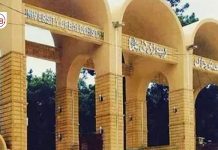
Meanwhile, in Karachi, a law student has also been forcibly disappeared. Local sources said Pakistani forces raided a home in the Hazara Goth neighbourhood, detained Zakariya Ismail, and transferred him to an undisclosed location. Zakariya had recently completed his law degree at Karachi University.
Pakistani authorities have not commented on any of the cases.
Enforced disappearances have been a longstanding and contentious issue in Balochistan. Human rights groups have accused the state of systematically targeting political activists, students, and civilians. Despite repeated calls for accountability, the practice continues, drawing widespread condemnation from families and rights defenders.