






















The alarming trend of enforced disappearances in Balochistan shows no signs of abating, with multiple cases reported in recent days from different parts of the region. In Quetta, two young brothers were reportedly taken by Pakistani security forces in a late-night raid, while in Khuzdar, a student leader was abducted, and in Mastung, three previously missing persons have reportedly returned home. Meanwhile, a mother’s tearful appeal in a press conference has once again spotlighted the pain of families whose loved ones have been forcibly disappeared.
According to reports, in the early hours of May 24, 2025, around 2 a.m., Pakistan’s Counter Terrorism Department (CTD) raided a house in the Mengalabad area of Quetta and arrested two brothers, Muhammad Ishaq and Abdul Razzaq. One of the brothers is a student, while the other works as a driver. According to their family, the authorities have neither confirmed their detention nor provided any information about their whereabouts since the arrest.

This incident adds to the mounting concern over the ongoing issue of enforced disappearances in Balochistan. Despite widespread condemnation from human rights organisations, such incidents continue to occur.
Meanwhile, three previously disappeared individuals from Mastung district—Ghulam Mustafa Qalandarani and Nisar Ahmed from Isplingi, and Babu Ali Muhammad from Dringhar—have reportedly returned home. However, even as some families experience relief, others are thrown into new crises.
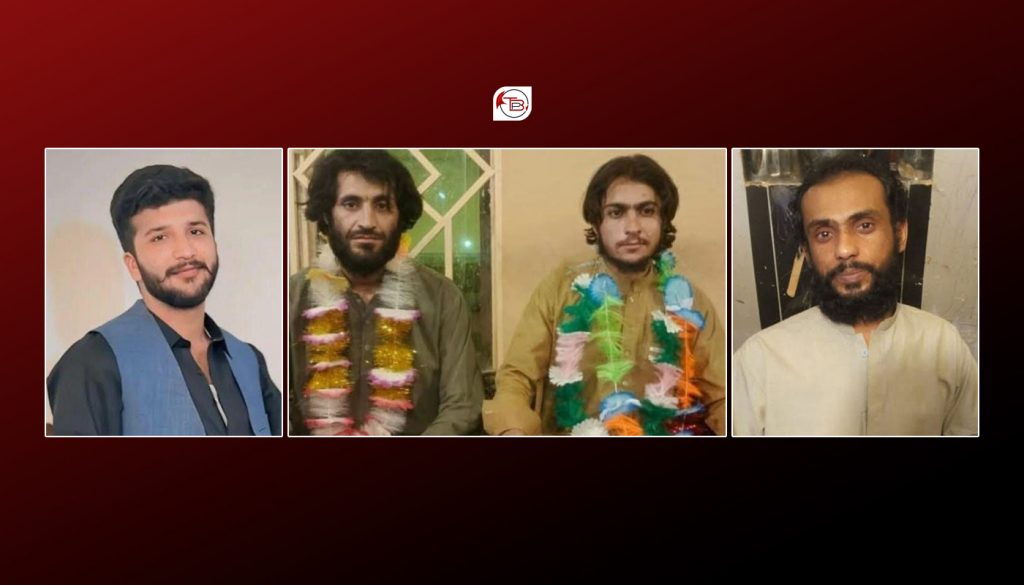
In Khuzdar, Majid Baloch, the president of the Baloch Students Organization (BSO) Khuzdar Zone, was reportedly abducted by security forces on Friday night from his home. His family has been unable to trace him since.
Separately, in Quetta, the family of a missing student, Aimal son of Aurangzeb, held a press conference at the protest camp of Voice for Baloch Missing Persons (VBMP), demanding his immediate release. Aimal’s mother, Mahjabeen Baloch, emotionally recounted how armed men in plain clothes abducted her son in front of her eyes without any warrant or legal justification.
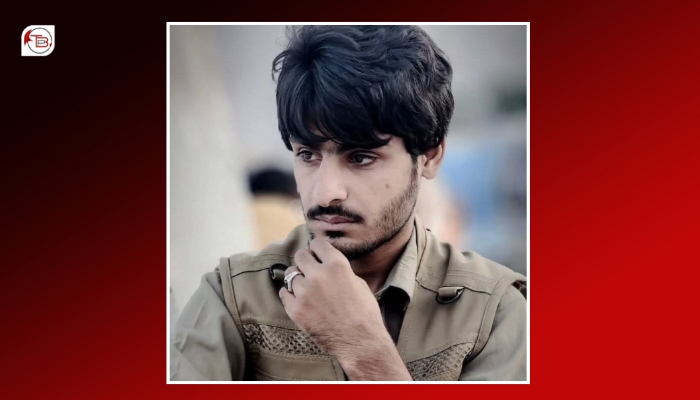
“Last night, my son Aimal, a student, was taken from our home at gunpoint. They had no legal orders, no explanation—just guns and brutality. When we resisted, they threatened us, took our phones, and silenced us,” Mahjabeen told reporters.
She also highlighted the role of her daughter, Fatima, a vocal advocate for the rights of missing persons. “My daughter has always stood peacefully for justice. Is this the price she pays—that her brother is abducted?”
Calling the act unlawful and a violation of the sanctity of home and family, Mahjabeen demanded that if her son has committed any crime, he should be presented before a court of law. She appealed to the authorities for justice and urged civil society, journalists, and the people of Balochistan to support their struggle.
“I will not remain silent. I will fight until my son returns. No mother should have to endure this agony,” she concluded.
As enforced disappearances continue to devastate families across Balochistan, calls are growing louder for accountability, legal due process, and the end to impunity for those involved in such actions. Human rights groups and local communities have once again reiterated that justice must be served—not only to return the missing but to restore faith in the rule of law.