





















The Baloch Republican Party (BRP) has strongly condemned the recent decision by Pakistani authorities to place monetary bounties on several Baloch political figures, including exiled leader Brahamdagh Bugti, describing the move as an escalation aimed at suppressing political dissent rather than addressing underlying political grievances.
In a statement issued to the media, BRP central spokesperson Sher Mohammad Bugti said the inclusion of political leaders in a government-issued “most wanted” list demonstrates what he called the state’s unwillingness to tolerate dissenting political voices. He argued that offering financial rewards for the capture of political figures reflects “weakness and panic,” warning that such measures could further aggravate tensions and instability across Balochistan.
The remarks come days after the Balochistan government released a list of individuals it described as most wanted, announcing cash rewards for information leading to their arrest. The list included several figures associated with Baloch nationalist politics alongside individuals accused by authorities of involvement in armed activities. The announcement triggered widespread debate among political observers and rights advocates, particularly over the inclusion of exiled political leadership in a law-enforcement framework traditionally reserved for criminal suspects.
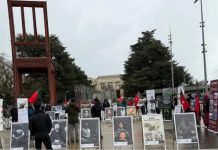
Bugti said the decision must be viewed within what he described as a broader human rights crisis in Balochistan, alleging that enforced disappearances, the recovery of mutilated bodies, and extrajudicial killings have become recurring concerns in the region. Placing political leaders on bounty lists, he added, sends a message that the use of force against dissenting voices is being normalized rather than political dialogue being pursued.
The BRP spokesperson further alleged that, over the past several years, state-backed armed groups – often referred to by critics as “death squads” – have operated in various districts, targeting political activists and their families. He claimed that the latest move signals an open declaration of intent to target political leadership, characterizing it as an intensification of coercive policies.
Calling the development dangerous, the party urged the international community, human rights organizations, and democratic governments to take immediate notice of the situation and press for measures aimed at preventing further human rights violations in Balochistan.